


In an era where economic efficiency and environmental consciousness are paramount, the ability to optimize fuel consumption has become a critical skill for drivers worldwide. Whether you’re navigating urban jungles, embarking on long road trips, or simply commuting daily, understanding how to maximize your vehicle’s fuel efficiency can lead to significant savings and a reduced carbon footprint. This comprehensive guide will delve into the nuances of fuel optimization, offering practical advice, technological insights, and a glimpse into the future of economical driving.
What Does It Mean to Optimize Fuel Consumption and Why Does It Matter?
To optimize fuel consumption means to get the maximum possible distance for every unit of fuel your vehicle consumes. It’s about ensuring your car operates at peak efficiency, minimizing waste, and extending the life of your engine. This isn’t just a technical challenge; it’s a strategic approach to vehicle ownership that delivers multiple benefits.
Defining Fuel Efficiency
Fuel efficiency is often measured in miles per gallon (MPG) or kilometers per liter (km/L). A higher number indicates better efficiency. When we talk about optimizing fuel consumption, we’re aiming to improve this number through a combination of smart driving habits, diligent maintenance, and leveraging modern automotive technology.
The Economic Imperative
The most immediate and tangible benefit of optimizing fuel consumption is financial savings. Fuel costs constitute a significant portion of vehicle ownership expenses. By reducing your consumption, you directly cut down on these costs, freeing up resources for other priorities. Over a vehicle’s lifetime, these savings can amount to thousands, making a real difference to your personal or household budget.
Environmental Responsibility
Every liter of fuel burned releases greenhouse gases and other pollutants into the atmosphere. By striving to optimize fuel consumption, you contribute to a healthier planet. Lower fuel use means fewer emissions, directly helping to combat climate change and reduce air pollution. This aspect resonates particularly with a global audience increasingly concerned about environmental sustainability.
Safety and Vehicle Longevity
Many practices that lead to better fuel efficiency – such as smooth driving and regular maintenance – also contribute to safer driving and a longer lifespan for your vehicle. A well-maintained car is less prone to breakdowns and performs more reliably, enhancing safety for you and others on the road. Furthermore, reduced strain on the engine and transmission can prevent premature wear and tear, improving your vehicle’s longevity and resale value.
Key Strategies to Optimize Fuel Consumption: Driving Habits & Maintenance
Achieving optimal fuel consumption is a two-pronged approach: how you drive and how you maintain your vehicle. Both play equally crucial roles.
Mastering Driving Techniques
- Anticipate Traffic: Look ahead to avoid sudden braking and acceleration. By anticipating traffic flow, traffic lights, and turns, you can maintain momentum and coast more often, significantly helping to optimize fuel consumption.
- Smooth Acceleration and Braking: Aggressive driving, characterized by rapid acceleration and hard braking, can increase fuel consumption by up to 30% on highways and 50% in stop-and-go traffic. Smooth transitions are key to efficient driving.
- Maintain a Steady Speed: Use cruise control on highways when appropriate. Rapid fluctuations in speed force your engine to work harder. Keeping a consistent speed, ideally within the eco-driving range of your vehicle, is a top way to optimize fuel consumption.
- Avoid Idling: If you’re going to be stopped for more than 30 seconds (except in traffic), it’s often more fuel-efficient to turn off your engine and restart it. Modern vehicles with start-stop technology do this automatically.
Regular Vehicle Maintenance is Crucial
- Tire Pressure: Under-inflated tires increase rolling resistance, forcing your engine to work harder and consume more fuel. Check your tire pressure regularly and keep it at the manufacturer’s recommended level to optimize fuel consumption.
- Engine Tune-Ups: A properly tuned engine runs more efficiently. Spark plugs, fuel injectors, and other components can affect fuel economy if they’re not working correctly.
- Oil Changes: Use the correct grade of motor oil recommended by your car manufacturer. Fresh, clean oil reduces friction within the engine, improving efficiency.
- Air Filter Replacement: A clogged air filter restricts airflow to the engine, making it work harder and consuming more fuel. Replacing it regularly is a simple yet effective way to optimize fuel consumption.
- Transmission Health: A healthy transmission is vital for efficient power delivery. Issues like slipping gears or delayed shifts can drastically impact fuel economy. For insights into preventing common problems, refer to our guide on Common Transmission Problems Signs And Prevention.
Weight and Aerodynamics
Excess weight makes your engine work harder. Remove any unnecessary items from your trunk or cabin. Similarly, roof racks, cargo boxes, and even open windows at highway speeds create drag, increasing wind resistance and causing your vehicle to consume more fuel. Minimizing these factors is another simple step to optimize fuel consumption.
Advanced Tips and Technologies to Optimize Fuel Consumption
Beyond driving habits and basic maintenance, modern automotive technology offers numerous ways to further optimize fuel consumption.
Leveraging Modern Vehicle Features
- Cruise Control and Adaptive Cruise Control: These systems help maintain a constant speed, preventing the fluctuations that waste fuel. Adaptive cruise control takes this a step further by adjusting speed based on traffic, further assisting to optimize fuel consumption.
- Start-Stop Systems: As mentioned, these systems automatically shut off the engine when the vehicle is stopped and restart it when the brake pedal is released, saving fuel during idle periods.
- Eco-Driving Modes: Many modern cars offer an “Eco” mode that adjusts engine and transmission parameters to prioritize fuel efficiency over performance.
Fuel Type and Quality
While most vehicles are designed for regular unleaded fuel, some high-performance engines require premium. Always stick to the manufacturer’s recommendation. Using a higher octane fuel than required will not necessarily improve your fuel economy or performance and is simply a waste of money. The quality of fuel can also vary, impacting how efficiently your engine burns it. Choosing reputable fuel stations can contribute to better fuel efficiency.
Considering Alternative Powertrains
For those looking at new vehicle purchases, alternative powertrains offer inherent advantages in optimizing fuel consumption. Hybrid Electric Vehicles (HEVs) and Plug-in Hybrid Electric Vehicles (PHEVs) combine gasoline engines with electric motors to achieve superior mileage, especially in urban driving. To understand the long-term cost implications of these choices, explore our comparison of PHEV Vs HEV Long Term Costs. Full Electric Vehicles (EVs) eliminate gasoline consumption entirely, relying solely on electricity. For a deeper dive into the EV market, you might find our BYD Vs Tesla Comparison informative. Furthermore, some electric vehicles offer Vehicle-to-Load (V2L) capabilities, as discussed in Electric Cars With V2L, demonstrating their versatility beyond just efficient transport.
Smart Navigation and Route Planning
Using GPS systems to find the shortest or least-congested routes can prevent unnecessary mileage and time spent in stop-and-go traffic, both of which are detrimental to fuel economy. Apps that provide real-time traffic updates can be invaluable in helping you optimize fuel consumption by avoiding gridlock.
How to Optimize Fuel Consumption: A Step-by-Step Guide
Ready to put these strategies into action? Here’s a systematic approach to optimize fuel consumption for your vehicle.
Step 1: Assess Your Current Habits and Vehicle Condition
Start by tracking your current fuel economy. Note how often you fill up, how many kilometers/miles you drive, and observe your typical driving style. Check your vehicle’s maintenance records and its current condition, especially tire pressure and fluid levels.
Step 2: Implement Driving Adjustments
Consciously practice smooth acceleration and braking. Adopt a defensive driving style, anticipating traffic and avoiding sudden maneuvers. Use cruise control on highways. Challenge yourself to drive more gently and watch the immediate impact on your fuel gauge.
Step 3: Commit to Regular Maintenance
Schedule and adhere to your vehicle’s recommended maintenance schedule. This includes regular oil changes, tire rotations, air filter replacements, and engine tune-ups. Don’t overlook the importance of correct tire pressure. These routine tasks are fundamental to being able to optimize fuel consumption effectively.
Step 4: Explore Technological Upgrades or Vehicle Changes
If you’re in the market for a new vehicle, consider models known for their fuel efficiency, such as hybrids or EVs. Our Low Maintenance Car Buying Guide can provide insights into cost-effective choices. If upgrading your current car, consider adding features like a tire pressure monitoring system if it doesn’t already have one.
Step 5: Monitor and Adjust
Continuously monitor your fuel economy. Many modern cars have onboard computers that display real-time MPG. Use fuel tracking apps to log your fill-ups and see how your changes impact your overall efficiency. Adjust your strategies based on what works best for your vehicle and driving conditions to continuously optimize fuel consumption.
Common Mistakes and FAQs About Optimizing Fuel Consumption
Even with the best intentions, drivers sometimes make mistakes that hinder their efforts to optimize fuel consumption. Here are some common pitfalls and frequently asked questions.
Common Mistakes to Avoid
- Ignoring Warning Lights: A “check engine” light could indicate an issue that impacts fuel economy, such as a faulty oxygen sensor. Address these promptly.
- Aggressive Driving: As mentioned, this is a major fuel killer. Smoothness is paramount to optimize fuel consumption.
- Overloading Your Vehicle: Carrying unnecessary weight reduces efficiency.
- Skipping Maintenance: Neglecting simple tasks like tire pressure checks or oil changes can quickly erode any gains from good driving habits.
Frequently Asked Questions
Does premium fuel always improve mileage?
Not unless your car is specifically designed for it. Using premium fuel in a car that recommends regular will not improve performance or fuel economy and simply wastes money.
How much can I save by optimizing fuel consumption?
Savings vary greatly depending on your starting point, driving habits, and fuel prices. However, many drivers report saving 10-20% or even more on their fuel bills by diligently applying these strategies to optimize fuel consumption.
Is it better to use AC or open windows?
At lower speeds (typically below 60-70 km/h or 40 mph), open windows create less drag than running the AC, making them more fuel-efficient. At higher speeds, the aerodynamic drag from open windows can consume more fuel than the AC, so it’s generally better to use the AC.
The Future of Fuel Consumption Optimization
The quest to optimize fuel consumption is an ongoing journey, constantly evolving with technological advancements and shifting societal priorities. The future holds exciting prospects.
Electrification and Hybridization
The global automotive industry is rapidly transitioning towards electric and hybrid vehicles. These powertrains inherently offer superior energy efficiency and the potential for zero tailpipe emissions, fundamentally changing how we define and achieve optimal fuel consumption. The continued development of battery technology and charging infrastructure will only accelerate this trend, offering more accessible and efficient options for drivers. Discover more about renewable energy sources that power these future vehicles.
Autonomous Driving and AI
Self-driving cars, guided by artificial intelligence, promise to drive with unparalleled precision and efficiency. AI can process vast amounts of data – traffic conditions, road gradients, weather – to choose the most fuel-efficient routes and driving styles, far surpassing human capabilities to optimize fuel consumption.
Sustainable Fuels
Beyond electrification, research into advanced biofuels, synthetic fuels, and hydrogen continues. These alternatives aim to provide energy sources that are cleaner and more sustainable, offering new pathways to optimize fuel consumption without relying solely on fossil fuels.
Infrastructure Development
Smart city initiatives and intelligent transportation systems will play a crucial role. Real-time traffic management, interconnected vehicles, and optimized traffic light sequencing can minimize congestion and stop-and-go driving, creating an environment where every vehicle can more easily optimize fuel consumption.
Conclusion: Your Path to Better Fuel Economy
The journey to optimize fuel consumption is a powerful step towards more responsible and economical vehicle ownership. By adopting smart driving habits, committing to regular maintenance, and embracing modern technologies, you can significantly reduce your fuel expenses, minimize your environmental impact, and extend the life of your vehicle. Every small change contributes to a larger positive outcome. Start today, monitor your progress, and enjoy the tangible benefits of a truly fuel-efficient driving experience. Empower yourself to optimize fuel consumption, and you’ll not only save money but also contribute to a greener, more sustainable future for all.

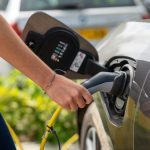
[…] off-peak hours (e.g., overnight). Scheduling your EV to charge during these times can significantly optimize fuel consumption or rather, energy […]
[…] tear on brakes, tires, and the engine, leading to fewer maintenance costs over time. Learning to optimize fuel consumption is a cornerstone of this […]