
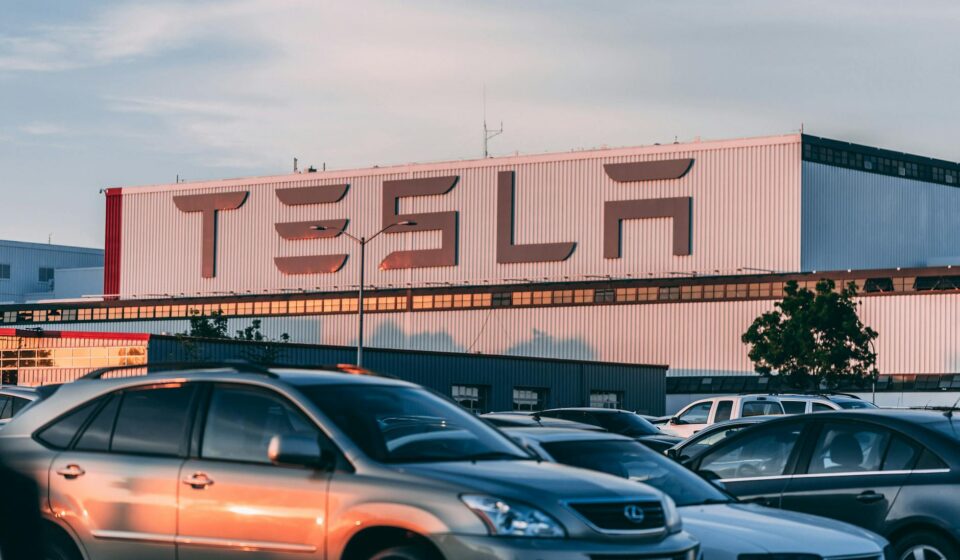

The electric vehicle (EV) market is currently a battleground of innovation, market share, and public perception, with the BYD vs Tesla comparison at its very heart. As global leaders in electric vehicle manufacturing, both companies represent distinct philosophies and strategies in the race towards sustainable transportation. Understanding the nuances between these two titans is crucial for consumers, investors, and industry watchers alike. This comprehensive guide will deep-dive into every facet of their offerings, helping you make an informed decision in this rapidly evolving landscape.
The Global EV Landscape: Why the BYD vs Tesla Comparison Dominates Discussion
For years, Tesla reigned supreme as the undisputed king of electric vehicles, synonymous with cutting-edge technology and luxury performance. However, recent years have seen the meteoric rise of BYD (Build Your Dreams), a Chinese automotive giant that has not only challenged Tesla’s dominance but, in terms of global EV sales volume, has often surpassed it. This shift makes the BYD vs Tesla comparison more pertinent than ever. It’s not just a rivalry between two companies; it’s a reflection of differing approaches to manufacturing, market penetration, and technological development. From battery manufacturing to vehicle design, and from pricing strategies to global expansion, their competition shapes the future of mobility. The rapid growth of companies like BYD also highlights the significant impact of Chinese EV Vs Western EV dynamics on the global stage.
Technology & Innovation: A Core BYD vs Tesla Comparison
At the core of the BYD vs Tesla comparison lies a fascinating divergence in technological philosophy and innovation. Both companies are pioneers, but they innovate in different ways.
Battery Technology: Blade vs. 4680
- BYD’s Blade Battery: BYD has made significant strides with its proprietary Blade Battery technology. This LFP (lithium iron phosphate) battery is celebrated for its safety, durability, and space efficiency. Its unique cell-to-pack design enhances structural integrity, reducing the risk of thermal runaway and increasing energy density within the battery pack. This innovative design also contributes to a longer lifespan and better cost-effectiveness, making BYD vehicles appealing for their reliability and value.
- Tesla’s 4680 Cells & Beyond: Tesla has pushed the boundaries with its 4680 cylindrical battery cells, designed for higher energy density, faster charging, and lower manufacturing costs. While the rollout has been gradual, the 4680 cells promise to revolutionize battery production and vehicle integration, forming part of a structural battery pack that contributes to the vehicle’s chassis. Tesla also heavily invests in optimizing its battery management systems (BMS) to maximize performance and longevity across its various models.
Software and Autonomy
Tesla has long been celebrated for its sophisticated software, over-the-air updates, and industry-leading Autopilot and Full Self-Driving (FSD) capabilities. Its approach integrates hardware and software seamlessly, offering a truly digital driving experience. The ability to enhance vehicle features and performance remotely is a major draw for Tesla owners. BYD, while making significant progress, focuses more on a holistic driving experience with robust infotainment systems and increasingly advanced driver-assistance features. While Tesla has its proprietary charging network, understanding aspects like Bidirectional EV Charging Explained is becoming crucial for all EV owners, regardless of brand.
The complexity of these advanced vehicle systems means that the software powering them must be robust and secure. Companies are increasingly using sophisticated methods, including those akin to AI Code Vulnerability Detection, to ensure the integrity and safety of their automotive software. This is particularly critical as features like autonomous driving become more prevalent.
Performance and Design: Evaluating the BYD vs Tesla Comparison on the Road
When it comes to the driving experience, the BYD vs Tesla comparison reveals distinct philosophies in performance and design that cater to different driver preferences.
Acceleration and Range
- Tesla: Renowned for its blistering acceleration, especially in performance variants, Tesla vehicles offer a thrilling driving experience. Models like the Model S Plaid set benchmarks for speed. Tesla also consistently pushes for longer ranges, with many of its vehicles capable of extended travel on a single charge, addressing range anxiety head-on.
- BYD: BYD vehicles, while not always matching Tesla’s raw acceleration numbers, offer very respectable performance suitable for everyday driving and beyond. Their focus often leans towards efficiency and consistent, reliable power delivery. BYD’s range figures are competitive and continuously improving, making them practical choices for a wide array of users.
Interior and User Experience
Tesla’s interiors are characterized by minimalism, dominated by large central touchscreens that control most vehicle functions. This design creates a spacious, uncluttered cabin, but can sometimes require a learning curve for new users. BYD, on the other hand, often opts for a more conventional yet modern approach, integrating physical buttons alongside touchscreens, offering a balance between digital and tactile controls. Their interiors tend to be more luxurious and feature-rich in their design, aiming for a premium feel. The choice often comes down to personal preference for aesthetic and functional layouts.
Vehicle Aesthetics
Tesla’s design language is sleek, futuristic, and aerodynamic, aiming for a distinct, instantly recognizable silhouette. Its models often feature clean lines and a minimalist exterior. BYD has invested heavily in design, collaborating with international design talent to create vehicles that are both stylish and culturally resonant. Their designs often feature more intricate details and a wider variety of styles across their diverse model lineup, appealing to a broader aesthetic taste.
Market Strategy & Global Reach: Understanding the BYD vs Tesla Comparison
The market strategies of BYD and Tesla represent two very different blueprints for global domination in the EV sector. This aspect of the BYD vs Tesla comparison is critical for understanding their respective growth trajectories.
Pricing and Market Segments
- Tesla: Historically positioned as a premium brand, Tesla has aimed for the higher end of the market, though it has introduced more accessible models like the Model 3 and Model Y. Their strategy often involves a direct-to-consumer sales model.
- BYD: BYD’s strategy is more diversified, offering a wide range of EVs from affordable urban commuters to luxury sedans and SUVs, effectively targeting multiple market segments. BYD also has a strong presence in public transportation, manufacturing electric buses and trucks globally.
Sales Models and Expansion
Tesla operates with a direct sales model, owning its showrooms and service centers. This gives them tight control over the customer experience but requires significant capital investment. BYD, while also engaging in some direct sales, largely leverages traditional dealership networks for broader market penetration, especially in international markets. This hybrid approach allows BYD to scale rapidly by partnering with established automotive sales channels. The company’s expansion, particularly in emerging markets, is a testament to its adaptable strategy.
Cost of Ownership & Infrastructure: Another Key BYD vs Tesla Comparison
Beyond the initial purchase, the long-term cost of ownership and the availability of charging infrastructure are vital considerations in the BYD vs Tesla comparison.
Purchase Price vs. Long-term Value
While Tesla vehicles often come with a higher sticker price, their strong resale value and potential for lower fuel and maintenance costs can offset this over time. BYD offers a competitive entry point, often providing excellent value for money with its robust battery technology and comprehensive features. The lower upfront cost makes BYD an attractive option for many. Both brands benefit from the general advantages of EVs, such as reduced fuel costs and often lower maintenance needs compared to internal combustion engine (ICE) vehicles. However, when What To Do When Car Warning Light Comes On, the diagnostic and repair costs can vary significantly between brands, depending on part availability and specialized service networks.
Charging Networks
Tesla’s Supercharger network is a significant advantage, renowned for its reliability, speed, and widespread availability in key markets. This proprietary network provides a seamless charging experience for Tesla owners. BYD vehicles, on the other hand, utilize standard charging protocols (like CCS or Type 2, depending on the region) and rely on the rapidly expanding public charging infrastructure. While this offers flexibility, it can sometimes lead to a less consistent charging experience compared to Tesla’s integrated ecosystem. However, the growth of third-party charging networks is quickly leveling the playing field.
How to Choose Your EV: Navigating the BYD vs Tesla Comparison
Deciding between a BYD and a Tesla involves more than just looking at specifications; it’s about aligning a vehicle with your personal needs and priorities. Here’s a step-by-step guide to navigating the BYD vs Tesla comparison for your next purchase:
- Assess Your Driving Habits and Needs:
- Daily Commute: How far do you typically drive? Both brands offer ample range, but if you have a very long commute or frequently travel cross-country, Tesla’s Supercharger network might offer more peace of mind.
- Family Size and Cargo: Consider the interior space and cargo capacity. BYD offers a broader range of body types, from compacts to larger SUVs, while Tesla focuses on a narrower, albeit popular, selection.
- Performance Preference: Do you prioritize exhilarating acceleration and a sporty feel, or are you looking for a smooth, comfortable, and efficient ride?
- Define Your Budget:
- Purchase Price: BYD often offers more accessible price points across its diverse lineup, while Tesla tends to sit at a higher premium, though specific models vary.
- Long-term Costs: Factor in insurance, potential maintenance, and local electricity rates. While EVs generally have lower running costs, these can still vary.
- Prioritize Technology and Features:
- Infotainment and Connectivity: Do you prefer Tesla’s minimalist, screen-centric approach, or BYD’s blend of digital and tactile controls? Consider the software ecosystem and integration. The availability of useful in-car applications, which can be thought of as Underrated Apps Review for your vehicle, might influence your choice.
- Driver Assistance Systems: Evaluate the level of autonomy and safety features offered by each brand and how important they are to your driving style.
- Research Local Support and Infrastructure:
- Service Centers: Check the availability and proximity of authorized service centers for both brands in your area.
- Charging Access: While Tesla has its Supercharger network, evaluate the public charging options (CCS, Type 2) available for BYD vehicles in your frequent travel zones.
- Test Drive Both (If Possible): The best way to understand the differences in the BYD vs Tesla comparison is to experience them firsthand. Pay attention to the driving dynamics, comfort, user interface, and overall feel of each vehicle.
Common Misconceptions in the BYD vs Tesla Comparison
Navigating the BYD vs Tesla comparison can be clouded by various myths and misunderstandings. Let’s debunk some common ones:
- “BYD is only for China”: While BYD has a massive presence in its home market, it has aggressively expanded into Europe, Latin America, Southeast Asia, and Australia, becoming a significant global player. Its international sales are growing rapidly, proving it’s a global contender, not just a regional one.
- “Tesla’s range is always superior”: While Tesla vehicles are known for impressive range, BYD models are catching up rapidly, with some offering competitive or even comparable ranges, particularly with their efficient Blade Battery technology. Range often depends more on the specific model and battery pack size than the brand itself.
- “EVs are too expensive”: Both BYD and Tesla offer models across various price points. BYD, in particular, has a strong portfolio of more affordable EVs, making electric mobility accessible to a broader demographic. Government incentives and long-term savings on fuel and maintenance further reduce the overall cost of ownership for EVs from both brands.
- “BYD vehicles lack sophistication”: This is outdated. Modern BYD vehicles boast sophisticated designs, advanced infotainment systems, and competitive safety features, reflecting significant investments in R&D and design. They are far from basic and offer a premium experience.
The Future Landscape: What’s Next for the BYD vs Tesla Comparison?
The future of the BYD vs Tesla comparison promises continued innovation and fierce competition. Both companies are investing heavily in new technologies, expanding their product lineups, and pushing into new markets. We can expect:
- Advanced Battery Chemistry: Further refinements in battery technology, focusing on even higher energy density, faster charging, and greater sustainability. Both companies will continue to explore new materials and manufacturing processes.
- Increased Autonomy and AI Integration: The push towards higher levels of autonomous driving will intensify, with both brands integrating more sophisticated AI into their vehicle operating systems. This will extend beyond driving, enhancing cabin experience and predictive maintenance.
- Broader Product Portfolios: Expect both BYD and Tesla to introduce more diverse vehicle types, including potentially new pickups, vans, and even more specialized segments, catering to evolving consumer demands. BYD’s existing diversity (cars, buses, trucks, forklifts) gives it a head start in market breadth.
- Global Market Expansion: While established in many regions, both companies will continue their aggressive global expansion, particularly in emerging markets, driving adoption of EVs worldwide. This will intensify the BYD vs Tesla comparison on a truly global scale.
- Sustainability Focus: Beyond just electric powertrains, both will focus on more sustainable manufacturing processes, ethical sourcing of materials, and circular economy principles. As leaders, their actions will set industry standards. The overarching trend towards electric vehicles is undeniably reshaping the automotive industry, with these two companies at the forefront.
Conclusion: The Evolving Dynamics of the BYD vs Tesla Comparison
The BYD vs Tesla comparison is not a simple question of one being definitively “better” than the other; rather, it’s a dynamic interplay between two automotive powerhouses, each excelling in different areas and catering to distinct market needs. Tesla continues to be a leader in premium performance, software innovation, and brand recognition, boasting an unparalleled charging network. BYD, with its comprehensive vertical integration, robust battery technology, diverse product lineup, and aggressive global expansion, offers exceptional value, reliability, and accessibility across various price points. The intense BYD vs Tesla comparison serves as a powerful catalyst for innovation, driving the entire EV industry forward.
For consumers, this rivalry translates into more choices, better technology, and increasingly competitive pricing. Whether you prioritize cutting-edge software and thrilling performance or robust value, proven battery safety, and a wide array of options, both BYD and Tesla offer compelling reasons to make the switch to electric. The future of electric mobility is undoubtedly being shaped by this fascinating competition, ensuring a vibrant and innovative landscape for years to come. For investors, understanding the nuances of their strategies is key to identifying future growth. The global automotive business, particularly the EV sector, remains one of the most exciting and rapidly evolving industries to watch.


