
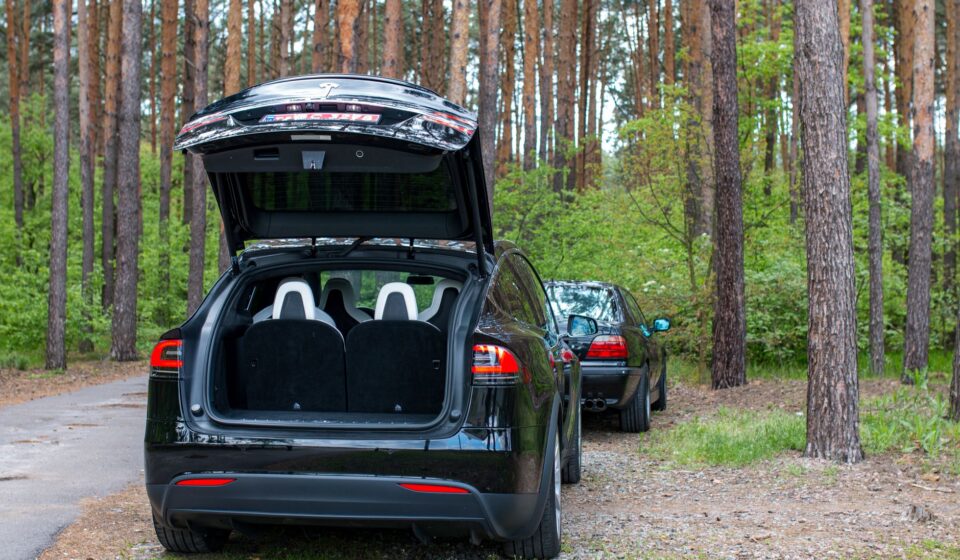

Embarking on an electric vehicle (EV) road trip is a thrilling prospect, offering a blend of sustainable travel and cutting-edge technology. While the principles of long-distance travel remain, navigating an EV brings its own set of considerations and exciting opportunities. This comprehensive guide provides essential EV road trip tips to ensure your journey is as smooth, efficient, and enjoyable as possible, whether you’re traversing continents or exploring local gems.
The allure of the open road has always captivated adventurers, and with the rise of electric vehicles, this freedom is being redefined. An EV road trip is simply a journey undertaken in an electric car, relying on a network of charging stations rather than traditional fuel stops. Why does this matter? Beyond the obvious environmental benefits of zero tailpipe emissions, EV road trips offer a quieter, often more comfortable ride, and with proper planning, can be significantly cheaper per mile than gasoline-powered alternatives. It’s about embracing a new era of travel, where range anxiety is replaced by charge point confidence, and the journey itself becomes part of the sustainable experience. These EV road trip tips are designed to empower you with the knowledge to conquer any route.
Essential EV Road Trip Tips for Seamless Travel
Successful EV road trips hinge on meticulous planning and understanding your vehicle’s capabilities. Here are crucial EV road trip tips to get you started.
Mastering Range and Battery Health
- Know Your EV’s True Range: The advertised range is often an optimal figure. Factors like speed, temperature, terrain, and cargo significantly impact real-world range. Learn your car’s efficiency habits, especially under varying conditions.
- “Buffer” Your Range: Always plan to arrive at a charger with a comfortable buffer, ideally 10-20% battery remaining. This accounts for unexpected detours, closed chargers, or slower-than-expected charging speeds.
- Understand the 80% Rule: DC fast chargers rapidly charge up to around 80% capacity, then significantly slow down to protect the battery. Planning stops around 80% will save you considerable time on longer EV road trips.
Strategic Charging Planning and Execution
- Pre-Plan Your Charging Stops: This is arguably the most critical of all EV road trip tips. Use dedicated EV routing apps like A Better Routeplanner (ABRP), PlugShare, or the in-car navigation system to map out charging stops before you leave. These tools consider your EV model, current charge, and even elevation changes.
- Diverse Charging Networks: Familiarize yourself with major charging networks in your region (e.g., Electrify America, EVgo, ChargePoint in North America; Ionity, Fastned, BP Pulse in Europe; various government and private networks globally). Download their apps and set up accounts beforehand.
- Consider Level 2 Chargers: While slower, Level 2 chargers (AC charging) are abundant at hotels, restaurants, and public destinations. Incorporate these into overnight stops or longer breaks to top up without dedicated fast-charging time.
- Bring Adapters: Depending on your EV and region, you might need adapters (e.g., J1772 to Tesla, CCS to CHAdeMO if applicable, though less common now). Always carry your vehicle’s charging cable.
Maximizing Efficiency on Your EV Road Trip
Beyond planning, how you drive significantly impacts your range and charging frequency. Implement these EV road trip tips for optimal efficiency.
Driving Habits for Extended Range
- Moderate Speed: Aerodynamic drag increases exponentially with speed. Driving at a moderate, consistent speed (e.g., 60-70 mph or 100-110 km/h) rather than pushing the limit can add significant miles to your range.
- Smooth Acceleration and Braking: Aggressive driving wastes energy. Use regenerative braking efficiently by anticipating stops and gradually lifting off the accelerator, allowing the car to recapture kinetic energy.
- Utilize Cruise Control: Adaptive cruise control can help maintain a consistent speed and efficient distance, preventing unnecessary acceleration and braking.
Climate Control and Ancillary Systems
- Pre-condition Your Cabin: If your EV is plugged in before departure, pre-condition the cabin to your desired temperature. This uses grid power instead of battery power to heat or cool, preserving range for driving.
- Moderate Climate Control: Heating and cooling are significant energy drains. Use seat heaters (which are more efficient than cabin heating) and moderate your HVAC settings. Turn off the AC or heat when it’s not strictly necessary.
- Minimize Accessory Use: Excessive use of infotainment, powerful sound systems, or charging multiple devices can contribute to battery drain. While usually minor, every bit counts on long EV road trips. Protecting your vehicle’s interior is also wise. A car screen protector for your infotainment display can prevent scratches from frequent interaction during navigation and entertainment.
Your Step-by-Step Guide to Planning an EV Road Trip
Executing a successful EV road trip involves a systematic approach. Follow these steps for stress-free travel, packed with crucial EV road trip tips.
- Choose Your Destination and Route: Decide where you want to go. Consider the total distance and the types of roads you’ll be taking. Will it be a scenic mountain drive or a flat highway cruise? For an in-depth dive into route optimization and charging strategy, check out our dedicated post on EV road trip planning tips.
- Research Your EV’s Capabilities: Understand your specific model’s real-world range, charging speeds (both AC and DC), and available charging ports. Before embarking on an EV road trip, ensure your vehicle is up to the task. If you’re considering a pre-owned model, our guide on used electric car comparison can help you choose wisely.
- Map Out Charging Stops: Use dedicated EV routing apps to plan your journey, identifying fast chargers along your route. Plan for an 80% charge at each stop, allowing for flexibility. Always have backup charging options in mind. Even for shorter journeys, the principles of efficient travel apply. If you’re planning a quick escape, our article on microadventure road trips offers inspiring ideas that can be easily adapted for EVs.
- Download Apps and Set Up Accounts: Install apps for major charging networks you’ll encounter. Register and load payment methods beforehand to avoid delays at the charger.
- Pack Smart: Consider a portable Level 1 charger for emergencies, necessary adapters, and a tire repair kit. Don’t overload your vehicle, as extra weight reduces efficiency. For advice on traveling in various conditions, while specific to two-wheelers, many considerations for long-distance travel in challenging climates, like those covered in our riding motorcycle in hot weather tips, offer transferable advice on staying comfortable and preparing for extreme conditions, regardless of your vehicle type.
- Check Charger Status in Real-Time: Before departing for a charging stop, use the network’s app or PlugShare to verify the charger’s status (operational, available, occupied). This is one of the most proactive EV road trip tips you can follow.
- Be Flexible: Unexpected delays or charger issues can occur. Be prepared to adjust your route or charging strategy. Embrace the stops as opportunities to explore local attractions or relax.
Common Mistakes and FAQs for EV Road Trips
Even with the best EV road trip tips, travelers can encounter pitfalls. Here’s how to avoid them and answer common questions.
Avoiding Common EV Road Trip Pitfalls
- Underestimating Charging Time: Fast charging isn’t instantaneous. Factor in 20-40 minutes per fast-charge stop. Overnight Level 2 charging typically takes several hours.
- Relying on a Single Charger: Chargers can be out of service, occupied, or slower than expected. Always have a backup charging option within reasonable range.
- Ignoring Elevation Changes: Uphill driving consumes more energy, while downhill can significantly replenish it through regenerative braking. Account for this in your planning, especially in mountainous regions.
- Not Checking Charger Types: Ensure the chargers on your route are compatible with your EV’s charging port (CCS, NACS, Type 2, etc.).
Frequently Asked Questions About EV Road Trips
Q: Is range anxiety still a major issue for EV road trips?
A: Less so with better infrastructure and planning tools. With proper planning using the right EV road trip tips, range anxiety can largely be mitigated. The growth of charging networks has dramatically improved the situation, especially in developed countries. According to the International Energy Agency (IEA), the number of publicly accessible charging points nearly quadrupled between 2017 and 2022. For more detailed statistics on charging infrastructure, you can visit the IEA website.
Q: What if I can’t find a fast charger?
A: Most EVs come with a Level 1 portable charger that can plug into a standard household outlet, providing a slow but steady charge. Many hotels offer Level 2 charging. Always have a contingency plan; sometimes a slower charge is better than no charge.
Q: How does cold weather affect EV road trips?
A: Cold weather reduces battery efficiency and range. Pre-conditioning your battery while plugged in, driving moderately, and using seat heaters instead of cabin heating can help. Keep these EV road trip tips in mind for winter travel.
Q: Can I really save money on an EV road trip?
A: Absolutely. While electricity prices vary, they are generally much lower per mile than gasoline. Many public chargers offer competitive rates, and home charging is even cheaper. Some hotels even offer free Level 2 charging as an amenity.
The Future of EV Road Trips
The landscape for EV road trips is rapidly evolving, promising an even smoother experience in the years to come.
Advancements in Battery Technology and Charging
- Longer Ranges: Next-generation EV batteries are expected to offer significantly longer ranges, reducing the frequency of charging stops and making long EV road trips more convenient.
- Faster Charging: Charging speeds are continually improving, with some upcoming vehicles boasting the ability to add hundreds of miles of range in just minutes. Technologies like higher voltage architectures (e.g., 800V systems) are making this possible.
- Battery Swapping: While not widespread, companies like Nio are exploring battery swapping stations, offering a near-instant “refuel” experience. While specific to heavy vehicles, the concept of fast energy replenishment is gaining traction. The U.S. Department of Energy provides further information on advanced vehicle technologies, including battery research, which can be explored on their Office of Energy Efficiency & Renewable Energy website.
Expanding Infrastructure and Smart Solutions
- Ubiquitous Charging: Charging infrastructure is projected to expand dramatically, reaching more remote areas and ensuring greater reliability. More destination chargers at hotels, restaurants, and attractions will enhance convenience.
- Integrated Planning: EV navigation systems will become even more sophisticated, offering real-time charger availability, predictive range calculations based on current driving conditions, and seamless payment integration. These tools will become indispensable EV road trip tips.
- Vehicle-to-Grid (V2G) and Vehicle-to-Home (V2H): While not directly for road trips, these technologies point to EVs becoming more integrated into our energy ecosystem, allowing them to power homes or feed energy back to the grid, adding another layer of utility.
Conclusion: Embrace the Electric Adventure with These EV Road Trip Tips
An EV road trip is more than just a means of transport; it’s an experience that connects you with your surroundings in a quieter, cleaner way. While it requires a different approach to planning and execution compared to gasoline cars, the rewards are immense. By applying these comprehensive EV road trip tips – from meticulous planning and efficient driving to understanding your vehicle and leveraging technology – you can confidently embark on memorable journeys. The future of travel is electric, and with every trip you take, you contribute to a more sustainable world while enjoying the open road like never before. So, charge up, plan your route, and hit the road – your next electric adventure awaits!