
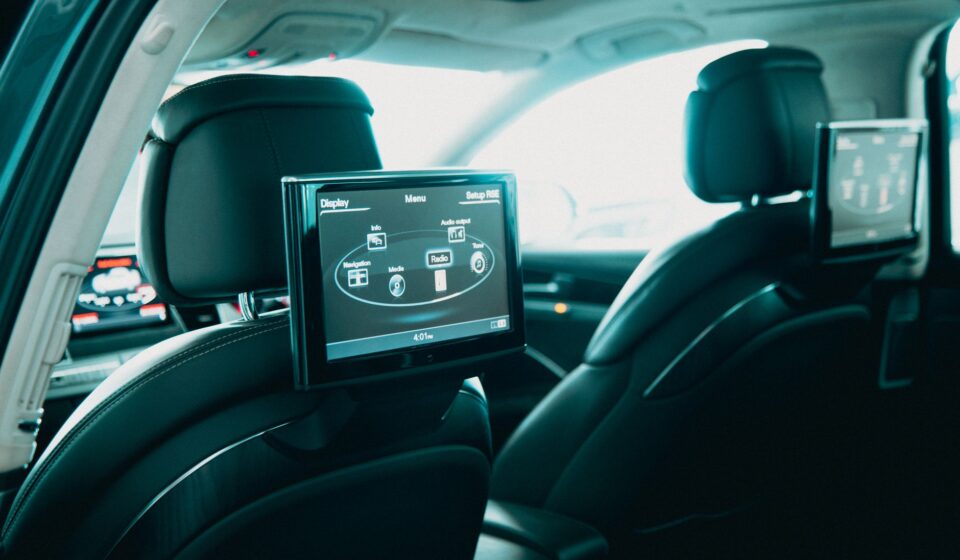

In the rapidly evolving landscape of automotive technology, the infotainment screen has transformed from a mere radio display into the central command center of our vehicles. From navigation and climate control to media and vehicle settings, these screens are constantly in use, making them highly susceptible to scratches, smudges, and even impact damage. This is precisely where a car screen protector becomes an increasingly essential accessory for any modern vehicle owner. Much like the protective film you might place on your smartphone or tablet, a car screen protector is designed to safeguard your vehicle’s delicate display from the rigors of daily use, preserving its functionality, aesthetics, and ultimately, its value.
But what exactly is a car screen protector, and why does it warrant such attention? At its core, it’s a thin, transparent layer applied directly to your car’s infotainment or instrument cluster screen. Its primary function is to create a barrier against physical damage, but modern protectors offer a host of additional benefits that enhance the user experience and extend the life of your car’s most interactive component. Given the significant investment we make in our vehicles, ensuring the longevity and pristine condition of all components, especially high-tech ones, is paramount. Just as you’d consider inflation proof car insurance to protect your financial investment, a quality car screen protector is a proactive physical defense for a critical piece of your car’s tech.
Understanding Your Car Screen Protector: Types and Materials
The market for a car screen protector is diverse, offering various materials, each with its own set of advantages and characteristics. Understanding these differences is key to choosing the best protection for your specific vehicle and usage patterns.
Tempered Glass Car Screen Protector: Durability and Clarity
- Composition: Made from specially processed glass that has been strengthened through controlled thermal or chemical treatments.
- Advantages: Offers superior scratch resistance (often rated 9H hardness), excellent optical clarity, and a smooth, glass-like touch experience identical to the original screen. In the event of a heavy impact, tempered glass is designed to shatter into small, blunt pieces rather than sharp shards, making it safer.
- Considerations: Generally thicker and more expensive than film protectors. Installation requires precision to avoid bubbles and ensure perfect alignment.
PET Film Car Screen Protector: Flexibility and Affordability
- Composition: Polyethylene terephthalate (PET) is a type of plastic film commonly used for various packaging and protective applications.
- Advantages: Very thin, flexible, and often the most affordable option. PET films can provide basic scratch protection and are easy to cut to size for custom applications.
- Considerations: Offers less impact protection and lower scratch resistance compared to tempered glass. The feel might be slightly plastic-like, and clarity can vary.
TPU Film Car Screen Protector: Self-Healing and Impact Resistance
- Composition: Thermoplastic polyurethane (TPU) is a hybrid material with properties of both plastic and silicone.
- Advantages: Known for its elasticity, excellent impact absorption, and often “self-healing” properties, where minor scratches disappear over time. It offers a softer, more grippy feel than glass.
- Considerations: Can be more challenging to install due to its flexibility, potentially leading to more bubbles. The clarity can be slightly less than tempered glass, and it may yellow over extended periods.
When selecting your car screen protector, consider the level of protection you need, your budget, and the type of finish you prefer (e.g., glossy for clarity, matte for anti-glare). Each material provides a distinct benefit, ensuring there’s a perfect match for every driver.
The Indispensable Benefits of a Car Screen Protector
Investing in a high-quality car screen protector offers far more than just basic defense. It’s an investment in the longevity, functionality, and aesthetic appeal of your vehicle’s interior, providing a multitude of benefits that enhance your driving experience and protect your asset.
Scratch and Scuff Protection
Perhaps the most obvious benefit, a car screen protector acts as an impenetrable shield against the everyday threats your screen faces. Keys, rings, pet claws, accidental bumps, or even abrasive cleaning cloths can leave unsightly scratches. With a protector in place, these potential damages are absorbed by the sacrificial layer, leaving your original screen pristine. This is crucial for maintaining the clear visibility needed for navigation or viewing important vehicle information. Maintaining the various components of your car, from its AC system – preventing issues like why is my car AC not blowing cold air – to its critical displays, is part of being a responsible car owner.
Glare Reduction and Eye Comfort
Many modern car screen protectors come with anti-glare or matte finishes. These are designed to diffuse reflections from sunlight or streetlights, significantly improving screen visibility, especially during bright conditions. Reduced glare not only makes your navigation and media easier to see but also minimizes eye strain during long drives. This contributes to safer driving by allowing you to quickly glance at the screen without distraction or discomfort. For more information on screen technology and its impact on vision, you might find resources on display technology illuminating, such as articles available on Wikipedia’s page on Display Technology.
Preserving Resale Value
A car’s infotainment system is a major selling point in the used car market. A scratched, smudged, or damaged screen can significantly detract from your car’s interior aesthetics and perceived value. By keeping your screen in immaculate condition with a car screen protector, you preserve the ‘like-new’ appearance of a critical component, which can translate into a higher resale price when it’s time to upgrade. Just as you might regularly check your car’s performance to prevent issues like car loses power uphill, maintaining its interior aesthetics is key to its overall value.
UV and Fingerprint Resistance
Some advanced car screen protectors offer UV protection, shielding your screen from sun damage that can cause discoloration or degradation over time. Furthermore, oleophobic (oil-repelling) coatings are common, reducing fingerprint smudges and making the screen much easier to clean. This means your screen stays clearer for longer, requiring less frequent and less vigorous cleaning, which itself can be a source of micro-scratches.
A Step-by-Step Guide to Installing Your Car Screen Protector
Installing a car screen protector might seem daunting, but with patience and the right technique, you can achieve a flawless, bubble-free application. This process is generally similar across different vehicle models and screen sizes.
Preparation is Key
- Gather Your Tools: Most car screen protector kits include a microfiber cloth, alcohol wipe, dust removal stickers, and a squeegee card. You might also want some masking tape.
- Clean Your Screen Thoroughly: Turn off your car’s infotainment system. Use the alcohol wipe to clean the screen surface meticulously, removing all dirt, grease, and fingerprints. Follow up with the microfiber cloth to dry and polish the screen until it’s spotless. This is the most critical step for avoiding bubbles.
- Remove Dust Particles: Use the dust removal sticker (a larger sticker often included in the kit) to dab the screen surface repeatedly, lifting off any remaining dust motes. Work in a dust-free environment if possible, and avoid air conditioning vents blowing directly onto the screen.
The Application Process
- Positioning: Carefully peel back a small section of the adhesive backing (usually labeled ‘Step 1’ or similar) from one corner of the car screen protector. Align the exposed adhesive edge perfectly with one edge of your car’s screen. Take your time to ensure precise alignment with all corners and cutouts.
- Slowly Peel and Adhere: Once aligned, slowly and steadily peel away the rest of the adhesive backing while simultaneously using the squeegee card to press the protector onto the screen. Work from the aligned edge outwards, pushing out any air bubbles as you go. Apply firm, consistent pressure.
- Address Bubbles: If bubbles appear, lift the nearest edge of the protector slightly and reapply, pushing the air out with the squeegee. For stubborn tiny bubbles, you can try pushing them towards the edge. Minor air bubbles often disappear on their own over 24-48 hours as the adhesive fully settles.
Finishing Touches
- Final Cleaning: Once the car screen protector is fully applied and all bubbles are removed, give the surface a gentle wipe with your microfiber cloth to remove any smudges or fingerprints accumulated during installation.
- Enjoy! Your car’s screen is now protected. This simple step can save you significant hassle and cost down the line. Maintaining vehicle components proactively, whether it’s the screen or the tires for better handling – akin to learning motorcycle low speed control tips – is key to long-term satisfaction.
Common Pitfalls and Expert Tips for Your Car Screen Protector
While installing a car screen protector is straightforward, certain mistakes can lead to less-than-perfect results. Understanding these common pitfalls and adopting expert tips can ensure your protector performs optimally for years.
Avoiding Air Bubbles and Misalignment
- The Enemy: Dust: The primary cause of persistent air bubbles is dust. Even a tiny particle will create a bubble. Ensure your screen is absolutely immaculate before applying the car screen protector. Use a strong light source to spot any remaining dust.
- Patience is a Virtue: Rushing the application process leads to misalignment and trapped bubbles. Take your time, especially during the initial alignment phase. If you’re slightly off, gently lift and realign before the adhesive fully sets.
- Squeegee Technique: Apply firm, even pressure with the squeegee, working from one side to the other. Overlapping strokes ensure complete contact and push air out effectively.
Cleaning and Maintenance Myths
- Don’t Use Harsh Chemicals: Never use ammonia-based cleaners, window cleaner, or abrasive sprays directly on your car screen protector. These can damage the oleophobic coating or the protector material itself.
- Stick to Microfiber: A soft, clean microfiber cloth, possibly dampened with plain water or a specialized screen cleaner, is all you need for routine cleaning.
- Wipe Gently: Avoid excessive pressure when wiping. The goal is to lift dirt and oils, not grind them into the surface.
When to Replace Your Car Screen Protector
- Severe Damage: If your car screen protector sustains a deep scratch, crack, or significant impact damage, it has done its job. Replace it immediately to restore full protection to your actual screen.
- Degradation: Over time, some film protectors might yellow, bubble at the edges, or lose their anti-glare/oleophobic properties. If you notice a decline in clarity or performance, it’s time for a new one.
- Improved Technology: As car screen protector technology advances, you might consider upgrading to a newer model with enhanced features like better self-healing or anti-microbial coatings.
The Horizon of Car Screen Protector Innovation
The automotive industry is constantly innovating, and the accessories that protect our vehicles are no exception. The future of the car screen protector promises even more advanced features, integrating smart technologies and sustainable materials to offer unparalleled protection and user experience.
Self-Healing and Smart Materials
Imagine a car screen protector that can automatically repair minor scratches and scuffs over time. Self-healing polymers, already present in some TPU films, are becoming more sophisticated, capable of reforming their molecular structure to erase surface imperfections. Beyond self-healing, we might see “smart” protectors that can dynamically adjust their transparency or tint based on ambient light conditions, further enhancing glare reduction without manual intervention. This could be particularly useful for modern vehicles with complex displays, including those found in electric vehicles, where detailed information is crucial, especially on EV road trip tips.
Integrated Security Features
As car screens become increasingly integrated with sensitive personal data and vehicle controls, future car screen protector designs might incorporate advanced privacy filters. These filters would limit the viewing angle, preventing passengers or onlookers from seeing sensitive information on your screen unless they are directly in front of it. Additionally, we could see protectors with anti-microbial properties, using embedded silver ions or other compounds to continuously kill bacteria and viruses on the screen surface, promoting a healthier in-car environment.
Customizable and Dynamic Protectors
The trend towards personalization will likely extend to car screen protector technology. Imagine protectors that can change their texture from glossy to matte with an electrical current, or even display subtle, customizable patterns when the screen is off. These dynamic features, combined with ultra-thin, flexible designs, will allow for seamless integration with curved displays and complex dashboard architectures, ensuring that every car screen, regardless of its unique shape, can benefit from cutting-edge protection. The continued advancement of these protectors ensures that this vital component of your vehicle remains safeguarded against the elements and daily wear and tear, securing its role as a crucial part of the modern driving experience. To learn more about automotive trends and technologies, reputable sources like Forbes’ Automotive section offer deep insights into the industry’s future.
Conclusion
The central display in your car is more than just a piece of glass; it’s the gateway to your vehicle’s intelligence and your primary interface for navigation, entertainment, and control. Leaving it unprotected is akin to leaving your smartphone screen exposed to constant peril. A quality car screen protector is an indispensable investment that offers robust protection against scratches, impacts, and daily wear, while also enhancing visibility and maintaining the pristine condition of your car’s interior. From the durable clarity of tempered glass to the self-healing properties of TPU films, there’s a car screen protector tailored to every need and preference.
By taking the simple step of installing a car screen protector, you are actively safeguarding a crucial, expensive, and frequently touched component of your vehicle. You’re ensuring clear navigation, an enjoyable media experience, and preserving the resale value of your car for years to come. In an era where automotive technology is advancing at an unprecedented pace, proactive protection is not just a recommendation—it’s a necessity. Choose wisely, install carefully, and enjoy the peace of mind that comes with knowing your car’s digital heart is fully protected.