
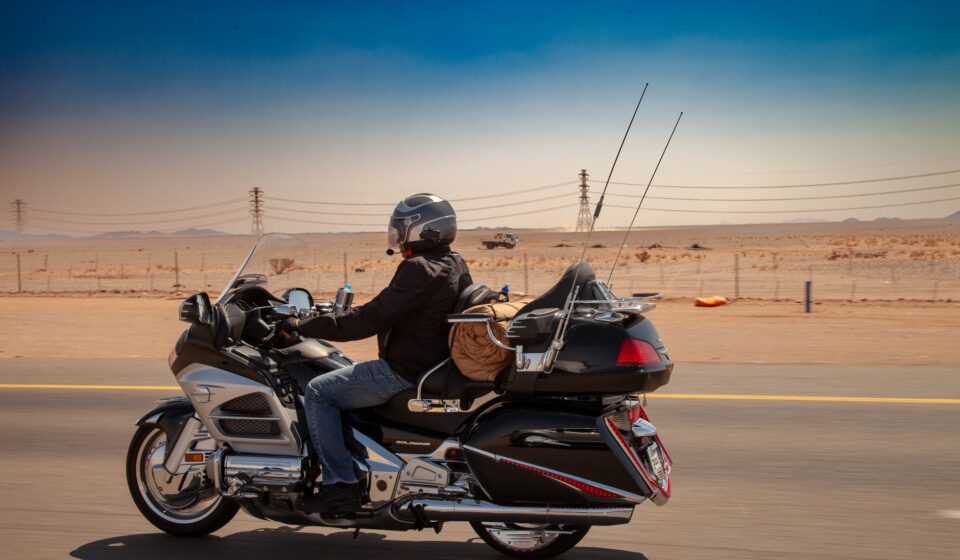

Embarking on a motorcycle adventure is an exhilarating experience, but when the mercury rises, the challenge intensifies. Successfully navigating the heat requires more than just a desire to ride; it demands strategic planning, the right gear, and a deep understanding of both your body and your machine. This comprehensive guide provides essential Riding motorcycle in hot weather tips to ensure your journey remains enjoyable, safe, and free from the perils of extreme temperatures, no matter where you are in the world.
The Heat Challenge: Why Riding Motorcycle in Hot Weather Tips Are Essential
Riding a motorcycle in hot weather presents a unique set of challenges that can significantly impact a rider’s safety, comfort, and the bike’s performance. Understanding these challenges is the first step in mastering Riding motorcycle in hot weather tips.
- Rider Health Risks: High temperatures can lead to dehydration, heat exhaustion, and even heatstroke. These conditions impair judgment, slow reaction times, and can be life-threatening. Riding fatigue is also accelerated in hot environments, making long rides particularly hazardous.
- Decreased Comfort and Concentration: Excessive heat can make wearing protective gear unbearable, tempting riders to compromise safety for comfort. This discomfort can lead to distraction, reducing a rider’s ability to focus on the road and potential hazards.
- Motorcycle Performance: Just like humans, motorcycles struggle in extreme heat. Engines can overheat, tires can lose grip due to increased surface temperatures, and components can wear out faster. Overheating can lead to a loss of power, a critical issue especially if your bike starts behaving like a car loses power uphill, indicating a struggle under load and heat.
Ignoring these factors can turn a thrilling ride into a dangerous ordeal. Therefore, mastering these Riding motorcycle in hot weather tips is not just about comfort, but about fundamental safety and mechanical longevity.
Essential Gear for Riding Motorcycle in Hot Weather Tips
Choosing the right gear is paramount when considering Riding motorcycle in hot weather tips. It’s a common misconception that less clothing equals cooler riding; in fact, proper protective gear designed for heat can actually keep you cooler and safer. The key is to select gear that offers maximum protection while facilitating airflow and wicking away sweat.
Ventilated Apparel
- Mesh Jackets and Pants: Look for jackets and pants made from high-abrasion mesh materials. These allow significant airflow while still providing essential protection. Ensure they have CE-rated armor at impact points like shoulders, elbows, back, and knees.
- Perforated Leather: While leather is traditionally associated with warmth, perforated leather gear offers excellent abrasion resistance with improved ventilation. It’s a great option for riders seeking classic protection with a cooler feel.
- Light Colors: Opt for light-colored gear. Dark colors absorb sunlight, increasing your body temperature, whereas lighter hues reflect it, helping you stay cooler.
Base Layers and Cooling Gear
- Moisture-Wicking Base Layers: Wear synthetic base layers designed to wick sweat away from your skin. This helps your body’s natural cooling process (evaporation) work more efficiently, preventing chafing and keeping you drier.
- Cooling Vests and Scarves: These garments use evaporative cooling technology. You soak them in water, and as the water evaporates, it draws heat away from your body, offering significant relief.
Headwear and Hand Protection
- Ventilated Helmets: A helmet with excellent ventilation is crucial. Look for multiple intake and exhaust vents to promote airflow over your scalp. A light-colored helmet will also help reflect solar radiation. Consider a tinted visor for sun protection, or a photochromic visor that adjusts to light conditions.
- Cooling Skull Caps: Worn under the helmet, these can wick away sweat and provide an additional layer of cooling, enhancing the effectiveness of your helmet’s ventilation.
- Ventilated Gloves: Short, perforated gloves made from leather or textile blends allow air to circulate around your hands, preventing sweat buildup while still offering protection. For more on protective gear, consider researching motorcycle protective clothing to understand the advancements in materials and design.
Hydration & Nutrition: Crucial Riding Motorcycle in Hot Weather Tips
Maintaining proper hydration and nutrition is non-negotiable when discussing Riding motorcycle in hot weather tips. Dehydration is a silent enemy, creeping up on riders and severely impacting their ability to ride safely. Preventing it requires a proactive approach.
Stay Hydrated Before, During, and After Your Ride
- Proactive Hydration: Don’t wait until you’re thirsty to drink. Start hydrating well before your ride, continuing throughout the journey.
- Water vs. Electrolyte Drinks: While water is essential, during prolonged hot weather riding, you lose electrolytes through sweat. Supplementing with electrolyte-rich drinks can help replenish vital salts and minerals, preventing cramps and fatigue.
- Hydration Packs: A hydration pack, worn like a backpack, allows you to sip water continuously without stopping. This hands-free access to fluids is one of the most effective Riding motorcycle in hot weather tips for long-distance riders.
- Avoid Dehydrating Beverages: Caffeinated drinks and sugary sodas can actually contribute to dehydration. Stick to water and electrolyte solutions.
Smart Snacking for Energy
- Light and Digestible Foods: Heavy meals divert blood flow to the digestive system, making you feel more sluggish and warmer. Opt for light snacks like fruits, nuts, and energy bars that provide sustained energy without weighing you down.
- Frequent Small Meals: Instead of large meals, try eating smaller, more frequent portions to maintain energy levels and avoid overwhelming your system.
Recognizing the symptoms of heatstroke and dehydration is critical. If you experience dizziness, nausea, confusion, or severe headaches, pull over immediately, seek shade, hydrate, and consider professional medical attention.
Strategic Planning & Riding Techniques for Hot Weather
Beyond gear and hydration, intelligent planning and adapting your riding style are key Riding motorcycle in hot weather tips. How you approach your ride can make a world of difference to your comfort and safety.
Timing Your Rides Wisely
- Beat the Heat: Schedule your rides for early mornings or late evenings when temperatures are typically cooler. Avoid riding during the hottest parts of the day, usually between 11 AM and 4 PM.
- Overnight Stops: For longer trips, plan your route to include overnight stops in air-conditioned accommodation to allow your body to fully recover from the day’s heat.
Route Selection and Breaks
- Seek Shade and Elevation: Whenever possible, choose routes that offer natural shade from trees or pass through higher elevations where temperatures are generally lower. Avoid prolonged periods in dense urban areas where radiant heat from asphalt and buildings can be intense.
- Frequent Breaks: Plan for regular, short breaks every hour or two. Use these stops to rehydrate, stretch, cool down in the shade or an air-conditioned spot, and check your motorcycle. Taking short breaks is also helpful for managing your focus, similar to how one might approach motorcycle low speed control tips, where focus and technique are paramount in demanding situations.
Riding Pace and Airflow
- Maintain Airflow: Keep moving to generate airflow through your ventilated gear. Stop-and-go traffic is particularly grueling in the heat because it reduces airflow and exposes you to engine heat.
- Avoid Idling: Limit idling time whenever possible, as it significantly increases engine temperature and radiates heat towards the rider.
Maintaining Your Motorcycle in the Heat
Just as you need to prepare yourself, your motorcycle also requires special attention when applying Riding motorcycle in hot weather tips. The heat can stress various components, potentially leading to breakdowns or reduced performance.
Engine Health
- Coolant Levels and Condition: Regularly check your coolant levels and ensure the coolant is fresh and at the correct concentration. An efficient cooling system is vital to prevent overheating. If you notice your engine running hotter than usual, investigate the cooling system, much like you would if you noticed why your car AC is not blowing cold air – both indicate a system not performing optimally.
- Oil Viscosity: Ensure your engine oil is suitable for hot weather operation. Heavier viscosity oils might be recommended by manufacturers for extreme heat, as they maintain better film strength under high temperatures.
- Air Filter Cleanliness: A clogged air filter restricts airflow to the engine, causing it to run richer and hotter. Clean or replace your air filter as per your maintenance schedule.
Tire Pressure
- Check Cold Pressure: Heat causes tire pressure to increase. Always check your tire pressure when the tires are cold to ensure they are at the manufacturer’s recommended settings. Over-inflated tires can reduce grip and stability.
Battery Care and Electronics
- Battery Stress: Extreme heat can shorten battery life and cause fluid evaporation in lead-acid batteries. Ensure your battery terminals are clean and tight, and consider a battery tender if your bike sits for extended periods.
- Protect Your Electronics: GPS devices, phone mounts, and other electronic accessories can overheat in direct sunlight. Use sun shields or consider mounting them in a cooler spot. For integrated screens, adding a car screen protector designed to reduce glare and heat absorption might offer some benefit, even for motorcycles with advanced dash displays.
How to Implement Riding Motorcycle in Hot Weather Tips – A Step-by-Step Guide
Here’s a practical, step-by-step approach to confidently applying these Riding motorcycle in hot weather tips for your next warm-weather ride.
- Assess the Forecast and Plan Accordingly: Before you even think about gearing up, check the weather forecast for your entire route. If extreme heat is predicted, consider postponing, adjusting your schedule, or choosing a different route.
- Gear Up Strategically: Don your full protective gear, prioritizing ventilated jackets, pants, gloves, and a well-vented helmet. Layer with moisture-wicking base layers and activate any cooling vests or skull caps.
- Hydrate Proactively and Prepare Supplies: Begin drinking water or electrolyte solutions hours before your ride. Pack a hydration bladder or multiple water bottles, ensuring you have enough fluids for your planned journey and unexpected delays.
- Map Your Route for Comfort: Use GPS or maps to identify routes with more shade, higher elevations, or fewer traffic lights. Mark potential rest stops at fuel stations, cafes, or scenic overlooks where you can cool down.
- Conduct a Thorough Pre-Ride Motorcycle Check: Focus on your bike’s cooling system (coolant levels, radiator fins), tire pressures (cold), and general maintenance. Ensure everything is in optimal working order to prevent heat-related mechanical issues.
- Ride Smart and Listen to Your Body: Maintain a consistent pace to maximize airflow. Take frequent breaks as planned, rehydrating and cooling down. Pay close attention to any signs of heat stress or fatigue in yourself and pull over immediately if you feel unwell.
- Post-Ride Recovery and Inspection: Once your ride is complete, continue to rehydrate and allow your body to cool down gradually. Give your motorcycle a quick once-over to check for any signs of heat-related wear or stress.
Common Mistakes & FAQs for Riding Motorcycle in Hot Weather Tips
Even with the best intentions, riders can make mistakes. Understanding these pitfalls and common questions will further enhance your ability to implement Riding motorcycle in hot weather tips effectively.
Mistakes to Avoid
- Under-dressing: Thinking that riding in a t-shirt or shorts will keep you cooler is a dangerous fallacy. You lose both protection and the evaporative cooling benefits of proper gear.
- Neglecting Hydration: Waiting until you’re thirsty means you’re already dehydrated. Consistent, proactive hydration is key.
- Pushing Through Fatigue: Heat rapidly accelerates fatigue. Ignoring the signs and pushing on can lead to impaired judgment and accidents.
- Ignoring Bike Warning Signs: Overlooking rising temperature gauges or unusual engine noises can lead to costly mechanical failures.
- Not Planning Breaks: Spontaneous breaks are good, but strategically planned stops ensure you have designated cooling periods and rest.
Frequently Asked Questions (FAQs)
- Is it better to wear less clothing when riding in hot weather?
Absolutely not. While it might feel counterintuitive, wearing full, ventilated protective gear actually helps regulate your body temperature by wicking sweat and promoting evaporative cooling, all while protecting you in a fall.
- Can my motorcycle overheat in hot weather?
Yes, especially in stop-and-go traffic or during prolonged idling. Ensure your cooling system is well-maintained, and avoid situations that stress the engine excessively.
- What should I do if I start feeling dizzy or nauseous?
Pull over immediately, find shade, remove your helmet, drink water, and rest. If symptoms persist or worsen, seek medical attention. These are serious symptoms of heatstroke.
- Should I use sunscreen on exposed skin?
Yes, any skin not covered by gear should be protected with high-SPF sunscreen, particularly your neck and face. However, covering up with light, breathable clothing is always the best defense against UV radiation and heat.
Future Trends in Riding Motorcycle in Hot Weather Tips
The evolution of technology promises exciting advancements in how we approach Riding motorcycle in hot weather tips. Innovation is constantly delivering new ways to enhance rider comfort and safety in extreme conditions.
Advanced Cooling Technologies in Gear
- Integrated Active Cooling Systems: We’re seeing jackets and suits with built-in micro-fans, Peltier effect cooling elements, or even liquid circulation systems, offering active heat dissipation rather than just passive ventilation.
- Helmet Innovations: Future helmets may feature solar-powered ventilation systems, advanced internal cooling channels, or even heads-up displays that monitor rider vital signs, including core body temperature.
Smart Hydration and Monitoring
- Wearable Tech for Hydration: Devices that monitor sweat rates, electrolyte levels, and even provide real-time hydration recommendations are becoming more sophisticated, allowing riders to maintain optimal hydration effortlessly.
- Integrated Communication Systems: Bluetooth communicators can link riders to weather updates, route changes, and even alert systems for emergency services if a rider becomes incapacitated due to heat.
Electric Motorcycles and Heat Management
- Different Heat Profiles: Electric motorcycles, while producing less radiant heat from an internal combustion engine, still have their own thermal management challenges, particularly concerning battery and motor cooling. These systems are becoming more efficient, impacting EV road trip tips by extending range and performance in all climates.
- Sustainable Materials: Research into new, sustainably sourced fabrics that offer superior cooling properties, UV protection, and abrasion resistance will continue to improve future riding gear.
These emerging technologies will make Riding motorcycle in hot weather tips even more effective, ushering in an era of unprecedented comfort and safety for riders globally.
Conclusion
Riding a motorcycle in hot weather can be incredibly rewarding, provided you approach it with careful planning and preparation. By embracing these comprehensive Riding motorcycle in hot weather tips – from selecting the right ventilated gear and prioritizing hydration to strategic route planning and diligent motorcycle maintenance – you transform a potential challenge into a comfortable and exhilarating experience.
Remember, safety always comes first. Listen to your body, respect the heat, and never compromise on protective gear. With these expert Riding motorcycle in hot weather tips, you’re well-equipped to conquer the summer heat, ensuring your rides are as thrilling as they are safe, wherever your journey takes you.