
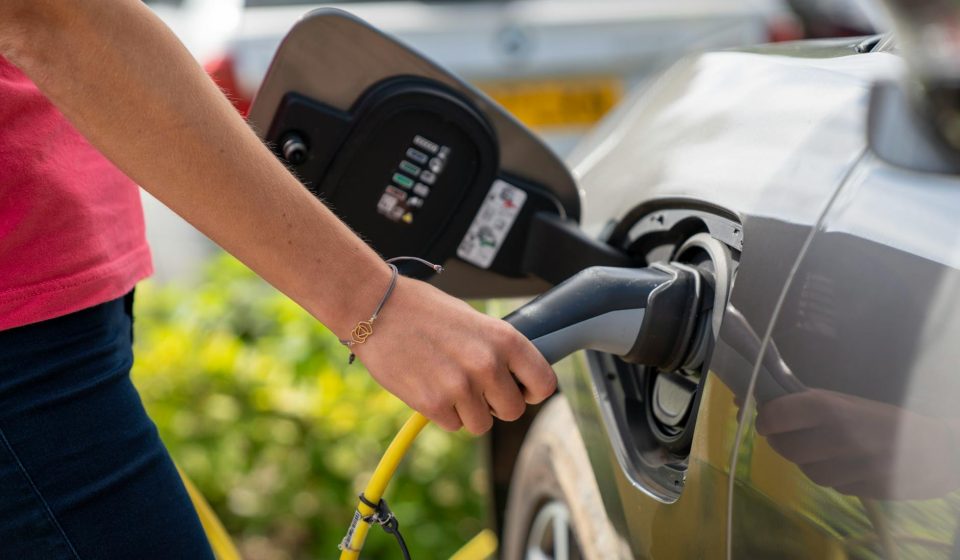

As electric vehicles (EVs) rapidly become a cornerstone of sustainable transportation, many prospective and current owners are encountering various electric car charging problems. While the allure of zero tailpipe emissions and reduced running costs is undeniable, the transition from traditional internal combustion engine (ICE) vehicles often brings a new set of challenges related to refueling – or rather, recharging. Understanding these issues is crucial for a smooth and satisfying EV experience, ensuring that the benefits of electric mobility truly outweigh the complexities.
The rise of electric vehicles is an exciting global phenomenon, promising a cleaner, quieter future. However, for many, especially those new to the EV world, the concept of charging can be a source of confusion and frustration. Unlike simply pulling into a petrol station, EV charging involves different connector types, varying speeds, public station reliability, and home infrastructure considerations. These factors collectively contribute to what we refer to as electric car charging problems. Why does this matter? Because efficient and reliable charging is fundamental to an EV’s practicality. If charging is consistently inconvenient, too slow, or unavailable, it undermines the very purpose of owning an electric car and can lead to range anxiety, a significant barrier to wider EV adoption.
Understanding the Landscape of Electric Car Charging Problems
The global EV market is diverse, and so are the challenges associated with charging. These electric car charging problems are not uniform; they vary based on geography, vehicle type, and individual user habits. Addressing these systemic issues requires a multi-faceted approach, involving technological innovation, infrastructure development, and consumer education.
Variations in Charging Infrastructure
- Geographical Disparities: While some regions boast robust charging networks, others, particularly rural areas or developing nations, lag significantly. This creates ‘charging deserts’ where finding a compatible and operational charger is a major hurdle.
- Public Charger Availability: Even in well-equipped areas, the sheer number of EVs can sometimes outstrip the number of available public charging points, leading to queues and frustration.
- Standardization Issues: Different charging standards (CCS, Type 2, CHAdeMO, Tesla’s NACS) can confuse drivers and limit compatibility, although efforts are being made towards greater harmonization.
Battery Technology and Vehicle Compatibility
- Battery Degradation: Over time, EV batteries can experience degradation, which might affect their capacity and charging speed. This is a natural process but can contribute to perceived electric car charging problems as the vehicle ages.
- Charging Speed Limitations: Not all EVs can charge at the highest speeds offered by DC fast chargers. Older models or those with smaller battery packs may have slower maximum charging rates, prolonging charge times.
- Temperature Sensitivity: Extreme hot or cold weather can significantly impact charging efficiency and speed, often slowing down the process and reducing overall range.
Common Electric Car Charging Problems Faced by Drivers
From the daily commute to long-distance road trips, EV owners frequently encounter a range of electric car charging problems that can test their patience and planning skills. These issues span from technical glitches to logistical nightmares, highlighting the need for robust solutions.
Slow Charging Speeds
One of the most frequently cited electric car charging problems is the perceived slowness of charging. While DC fast chargers can replenish a battery quickly, most charging happens at home or work using Level 2 (AC) chargers, which are considerably slower.
- Home Charging Limits: Residential electrical systems may not always support the fastest Level 2 charging, especially in older homes, requiring upgrades.
- Public AC Charger Speeds: Many public AC chargers offer similar speeds to home charging, making them unsuitable for quick top-ups during short stops.
- Vehicle Onboard Charger Limits: The car itself has an onboard charger that dictates its maximum AC charging rate, regardless of how powerful the external charger is.
Inaccessible or Non-Functional Public Chargers
Relying on public infrastructure can be a gamble. Many EV drivers have stories of arriving at a public charging station only to find it out of order, blocked, or incompatible.
- Faulty Equipment: Chargers can break down due to heavy use, vandalism, or lack of maintenance, rendering them unusable.
- ICEing: Internal Combustion Engine (ICE) vehicles sometimes park in EV charging spots, preventing electric cars from accessing them.
- Software Glitches: Payment systems or charger activation apps can malfunction, preventing a charging session from starting.
High Charging Costs and Complex Pricing Structures
While home charging is generally cheaper than gasoline, public charging costs can vary wildly and sometimes be unpredictable, adding to the list of electric car charging problems.
- Variable Pricing: Public charging networks often have different pricing models (per kWh, per minute, flat session fees), which can be confusing.
- Peak vs. Off-Peak Rates: Similar to electricity tariffs, some public chargers impose higher rates during peak demand hours.
- Subscription Models: Many charging networks require subscriptions or dedicated apps, leading to a cluttered phone with multiple apps for different providers.
Practical Solutions: Overcoming Electric Car Charging Problems
Despite the challenges, there are numerous strategies and emerging technologies designed to mitigate electric car charging problems and make EV ownership more convenient and reliable.
Optimizing Your Home Charging Setup
For most EV owners, home charging is the backbone of their charging strategy. Investing in the right setup can largely eliminate daily charging woes.
- Install a Level 2 Charger: A dedicated 240V Level 2 charger can drastically reduce home charging times compared to a standard wall outlet. Consult an electrician for proper installation.
- Utilize Off-Peak Hours: Many electricity providers offer lower rates during off-peak hours (e.g., overnight). Scheduling your EV to charge during these times can significantly optimize fuel consumption or rather, energy costs.
- Smart Charging Integration: Use chargers and EV apps that allow you to schedule charging, monitor consumption, and even integrate with solar panels.
Navigating Public Charging Effectively
Public charging requires a bit more planning but can be managed efficiently with the right tools and mindset.
- Use Charging Apps: Apps like PlugShare, ChargePoint, or A Better Routeplanner provide real-time information on charger availability, type, speed, and status.
- Plan Your Routes: For long journeys, incorporate charging stops into your route planning, ensuring sufficient charge levels between points. Consider vehicles with impressive ranges, such as those found in a BYD Vs Tesla Comparison, for reduced charging frequency.
- Carry Adapters: If your vehicle uses a less common standard (e.g., CHAdeMO outside of Japan), carrying an adapter can expand your charging options.
Addressing Range Anxiety and Infrastructure Gaps
Range anxiety, the fear of running out of charge before reaching a charging point, is a psychological challenge often exacerbated by perceived electric car charging problems. However, advancements are continuously addressing this concern.
- Understanding Your Range: Learn your EV’s real-world range under various conditions (temperature, speed, terrain).
- Emergency Charging Options: Always know where the nearest backup charging stations are located.
- Vehicle-to-Load (V2L) Technology: Some newer EVs, like those discussed in Electric Cars With V2L, offer bidirectional charging, allowing you to power external devices or even other EVs, adding a layer of utility and peace of mind.
Navigating Common Mistakes and FAQs for EV Charging
Many electric car charging problems stem from common misunderstandings or mistakes. A little knowledge can go a long way in improving your EV charging experience.
Common Mistakes to Avoid
- Over-Reliance on DC Fast Charging: While convenient, frequent DC fast charging can contribute to faster battery degradation compared to regular AC charging. It’s best used for long trips, not daily top-ups.
- Ignoring Home Electrical Capacity: Attempting to install a Level 2 charger without assessing your home’s electrical panel capacity can lead to tripped breakers or even electrical hazards.
- Not Checking Charger Status Before Arriving: Always verify a public charger’s operational status using an app before heading there, especially if it’s a critical stop.
- Leaving Your EV Plugged In Unnecessarily: While modern EVs manage their battery well, constantly leaving them plugged in at 100% when not needed isn’t ideal for long-term battery health. Aim for 80-90% for daily use.
Frequently Asked Questions
- How long does it take to charge an electric car? This varies widely. A Level 1 (standard outlet) can take 24+ hours for a full charge. Level 2 can take 4-10 hours. DC fast charging can get you 80% in 20-60 minutes, depending on the car and charger.
- Can I charge my EV in the rain? Yes, EV charging systems are designed to be waterproof and safe to use in the rain.
- Is it cheaper to charge at home or public stations? Generally, home charging is significantly cheaper. Public DC fast chargers can sometimes approach or even exceed the cost of gasoline per mile.
- Do EV batteries last forever? No, like all batteries, they degrade over time. However, most come with long warranties (e.g., 8 years/100,000 miles) and are designed to outlast the typical lifespan of the vehicle. This contributes to the overall low maintenance car buying guide benefits of EVs.
- What’s the difference between PHEV and HEV charging? A Plug-in Hybrid Electric Vehicle (PHEV) can be plugged in to charge its larger battery, offering significant electric-only range, whereas a Hybrid Electric Vehicle (HEV) charges its smaller battery solely through regenerative braking and the engine. Understanding PHEV Vs HEV Long Term Costs can help determine which suits your needs.
The Future of Electric Car Charging: Innovations and Trends
The landscape of electric car charging problems is continually evolving, with innovative solutions on the horizon that promise to make EV charging even more seamless and efficient.
Rapidly Expanding and Intelligent Infrastructure
Governments and private companies worldwide are investing heavily in expanding charging infrastructure. This includes not just more chargers but smarter ones that can communicate with the grid and user apps to optimize energy flow and minimize wait times. This global effort will significantly reduce the prevalence of current electric car charging problems. According to the International Energy Agency, the number of public charging points globally is projected to grow substantially in the coming years, driven by policy support and increased EV sales.
Ultra-Fast Charging Technologies
The race for faster charging is on. New generations of EVs and chargers are emerging that can add hundreds of miles of range in just 10-15 minutes, rivaling the time it takes to refuel a gasoline car. This will effectively eliminate ‘slow charging’ as a primary concern.
Wireless Charging and Battery Swapping
Imagine pulling into a parking spot and your car automatically starts charging without needing to plug in. Wireless (inductive) charging is slowly becoming a reality, offering unparalleled convenience. For commercial fleets or specific applications, battery swapping stations (where a depleted battery is quickly exchanged for a fully charged one) are also being explored and deployed in some markets, completely bypassing traditional electric car charging problems.
Vehicle-to-Grid (V2G) and Bidirectional Charging
Beyond simply taking power from the grid, V2G technology allows EVs to feed electricity back into the grid during peak demand or store renewable energy. This not only turns EVs into mobile power banks but also strengthens grid stability and potentially offers financial incentives to owners, transforming how we view electricity consumption and generation. This concept is poised to revolutionize the role of EVs in our energy ecosystem, turning current electric car charging problems into opportunities for energy management.
Enhanced Battery Technology
Ongoing research and development in battery chemistry promise higher energy density, faster charging capabilities, and increased durability, further reducing the impact of degradation and improving overall charging performance. Advancements such as solid-state batteries are on the horizon, promising lighter, safer, and more efficient power storage. For more insights into emerging technologies and market leaders, articles like this Forbes article on the future of EV charging often provide excellent perspectives on these developments.
Conclusion
While electric car charging problems are a valid concern for many, it’s clear that the industry is rapidly evolving to address these challenges. From expanding infrastructure and faster charging technologies to smarter home solutions and innovative battery advancements, the future of EV charging looks increasingly bright. As an expert in this field, I can confidently say that with a little preparation and understanding, the perceived hurdles of EV charging can be easily overcome, allowing you to fully embrace the environmental and economic benefits of electric mobility. The transition to electric vehicles is not just about changing how we drive; it’s about fundamentally rethinking how we power our transportation, and the ongoing solutions to electric car charging problems are central to this revolution.


[…] and disposal. For those interested in the intricacies of electric vehicle ownership, understanding Electric Car Charging Problems can be quite insightful. Furthermore, for traditional internal combustion engine vehicles, […]