


The rise of electric vehicles (EVs) has brought about a significant shift in how we think about transportation. While charging infrastructure is rapidly expanding, the concept of a portable EV charger is revolutionizing convenience, offering unparalleled flexibility and peace of mind for EV owners worldwide. This essential device ensures you’re never stranded, empowering you to charge your vehicle almost anywhere, anytime, transforming the EV ownership experience.
What is a Portable EV Charger and Why Does it Matter?
A portable EV charger is essentially an external battery pack designed to provide an emergency or supplemental charge to an electric vehicle when a traditional charging station is unavailable. Unlike fixed home chargers or public charging points, these devices are compact, lightweight, and can be transported with ease. They typically contain a robust battery and the necessary circuitry to convert and deliver power to your EV’s charging port.
Why does it matter so much? The answer lies in range anxiety and charging accessibility. For many, the fear of running out of battery far from a charging station is a major hurdle to EV adoption. A reliable portable EV charger mitigates this anxiety, turning remote locations or unexpected detours into viable routes. It extends the practical range of your EV, making long-distance travel and off-grid adventures significantly more feasible. Moreover, for a global audience, where charging infrastructure varies widely between regions and even within countries, a portable solution offers a universal safety net.
- Emergency Power: A lifeline when you unexpectedly run low on battery in areas without charging stations.
- Travel Convenience: Enables longer road trips and exploration of less developed areas without constant worry. For useful advice on planning, consider our Electric Vehicle Road Trip Tips.
- Flexibility: Charge at a friend’s house, a campsite, or even during an outdoor event.
- Peace of Mind: Reduces range anxiety, making EV ownership more attractive and less stressful.
The Evolution of the Portable EV Charger: From Niche to Necessity
Initially, the idea of a portable EV charger was a niche concept, primarily for early adopters who faced sparse charging networks. Early models were often bulky and offered limited power. However, rapid advancements in battery technology, power electronics, and efficient charging protocols have transformed these devices into sophisticated, high-capacity solutions. Today’s portable EV chargers are more compact, lighter, and capable of delivering significant power, often at Level 2 speeds, making them a necessity for any discerning EV owner. The global push for sustainable transportation, coupled with increased consumer demand for convenience, has accelerated the development and adoption of these innovative charging solutions.
These devices have leveraged breakthroughs in lithium-ion battery technology, similar to those found in EVs themselves, allowing for high energy density in a relatively small form factor. Furthermore, smart charging capabilities, including integrated charge controllers and safety features, have made the portable EV charger not just powerful but also safe and user-friendly. This evolution mirrors the broader development of the EV ecosystem, continually striving for greater accessibility and efficiency for drivers worldwide.
Types of Portable EV Chargers: Understanding Your Options
When considering a portable EV charger, it’s important to understand that not all devices are created equal. They vary significantly in capacity, charging speed, and features. Choosing the right one depends on your specific needs, driving habits, and the type of EV you own.
Level 1 Portable Chargers
These are the simplest and often smallest portable chargers. They typically plug into a standard household outlet (120V in North America, 230V in many other regions) and offer a slow, trickle charge. While they don’t provide rapid charging, they are excellent for overnight top-ups or emergency situations where only a standard socket is available. Their main advantage is universal compatibility with almost any outlet, making them a truly versatile portable EV charger.
Level 2 Portable Chargers
More advanced portable chargers can offer Level 2 charging speeds, requiring a higher voltage outlet (e.g., 240V). These devices significantly reduce charging times compared to Level 1 chargers, making them ideal for situations where you need a faster boost, such as during a longer stop. They are larger and heavier than Level 1 options but provide a much more practical charging solution for extended use away from dedicated stations. Some models even integrate smart features, allowing for scheduling and monitoring via a mobile app, enhancing the utility of your portable EV charger.
Battery Bank vs. Wall-Adapter Chargers
It’s crucial to distinguish between a portable battery bank designed to store energy and an adapter-style portable charger that simply allows you to plug into various outlets. While the latter is convenient for adapting to different power sources (like a dryer outlet), a true portable EV charger often implies an integrated battery bank that can supply power independently, without needing a direct grid connection at the point of charge. This distinction is key for off-grid or emergency charging scenarios.
Key Features to Look for in a Portable EV Charger
Investing in a portable EV charger requires careful consideration of its features. The right device will offer a balance of power, portability, and safety.
- Battery Capacity (kWh): This determines how much energy the charger can store and, subsequently, how much range it can add to your EV. Higher capacity means more miles, but also a heavier and potentially larger unit.
- Output Power (kW): This dictates the charging speed. A higher kW output means faster charging. For example, a 7kW portable EV charger will charge significantly quicker than a 3kW one.
- Connector Type: Ensure compatibility with your EV (e.g., Type 1, Type 2, CCS, CHAdeMO). Most portable chargers come with common connector types or offer adapters.
- Portability & Weight: For a device that’s meant to be portable, its size and weight are critical. Look for ergonomic designs and manageable weight for easy transport.
- Durability & Weatherproofing: If you plan to use it outdoors, ensure it has an appropriate IP rating for resistance against dust and water.
- Safety Features: Overcurrent protection, overvoltage protection, temperature monitoring, and short-circuit protection are essential. Quality certification (e.g., CE, UL) indicates adherence to safety standards.
- Charging Time for the Charger Itself: Don’t forget how long it takes to recharge the portable EV charger once its internal battery is depleted. Fast recharging for the unit itself is a significant advantage.
- Smart Features: Some advanced units offer app connectivity for monitoring charge status, scheduling, and remote control, enhancing the user experience. For insights into advanced charging, consider reading about Bi-directional Charging.
How to Use Your Portable EV Charger Safely and Effectively
Using a portable EV charger is generally straightforward, but adherence to safety guidelines and best practices is paramount to ensure both your safety and the longevity of your EV’s battery.
Step-by-Step Guide:
- Read the Manual: Always start by thoroughly reading the manufacturer’s instructions for your specific portable EV charger.
- Check Compatibility: Ensure the charger’s connector type is compatible with your EV’s charging port.
- Inspect the Charger and Cables: Before each use, visually inspect the charger unit, cables, and connectors for any signs of damage, wear, or corrosion. Do not use if damaged.
- Find a Safe Location: Place the portable EV charger on a stable, dry, and non-flammable surface. Ensure it’s away from direct sunlight, extreme temperatures, and out of the way of foot traffic to prevent tripping hazards.
- Connect to Power (if applicable): If your portable charger requires a grid connection (e.g., Level 1 or Level 2 models plugging into a wall socket), plug it into a suitable, properly grounded outlet. Avoid using extension cords unless specifically rated for high-power EV charging and approved by the charger manufacturer. Overloading circuits can lead to serious Electric Car Charging Problems.
- Connect to Your EV: Firmly insert the charging connector into your EV’s charging port. Ensure it clicks into place.
- Initiate Charging: Follow the specific instructions for your portable EV charger to start the charging process. This might involve pressing a button on the unit or using a mobile app.
- Monitor Progress: Keep an eye on the charging status indicators on both your EV and the portable charger. Avoid leaving the charging setup unattended for prolonged periods, especially in public or unsupervised locations.
- Disconnect Safely: Once charging is complete or you need to stop, always stop the charging process first (either via the charger or your car), then safely disconnect the cable from your EV, and finally, unplug the charger from the power source (if applicable).
- Store Properly: Store your portable EV charger in a cool, dry place, protected from extreme temperatures and physical damage. Ensure cables are neatly coiled.
Addressing Common Concerns and Mistakes with Portable EV Chargers
While a portable EV charger offers immense convenience, it’s important to be aware of potential pitfalls and common misconceptions.
Q: Will a portable EV charger damage my car’s battery?
A: No, a properly designed and certified portable EV charger will not damage your EV’s battery. Modern EVs have sophisticated Battery Management Systems (BMS) that regulate charging, preventing overcharging or drawing too much power. Always use chargers from reputable brands that meet safety standards.
Q: How long does it take to fully charge an EV with a portable unit?
A: This varies wildly. A Level 1 portable EV charger might add just a few miles of range per hour, meaning a full charge could take days. A Level 2 portable unit will be significantly faster, potentially reducing a full charge to several hours, depending on the charger’s output and your car’s battery capacity. The primary purpose of most portable units is to provide a sufficient boost to get you to the nearest fast charger, not necessarily a full charge.
Q: Can I use a regular extension cord with my portable EV charger?
A: Generally, no. Most standard extension cords are not rated to handle the continuous high amperage drawn by an EV charger and can overheat, posing a serious fire risk. Only use extension cords specifically designed for EV charging, if recommended by your charger’s manufacturer, and ensure it is rated for the correct voltage and amperage. This is a common source of Electric Car Charging Problems. For more information on safe charging practices, you can refer to resources like Wikipedia’s article on Electric Vehicle Charging.
Q: Is it safe to charge my EV in the rain with a portable charger?
A: Modern portable EV chargers are designed with some level of weather resistance, but it’s always best to err on the side of caution. Look for an IP (Ingress Protection) rating that indicates resistance to water and dust. If your portable EV charger is not explicitly rated for outdoor use in wet conditions, it’s safer to avoid charging in heavy rain or to provide adequate shelter for the unit and connections.
Common Mistakes:
- Ignoring Cable Management: Leaving cables strewn about creates tripping hazards and can lead to damage.
- Overlooking Power Source Capacity: Plugging a Level 2 portable EV charger into an inadequate circuit can trip breakers or worse.
- Not Checking for Damage: A damaged cable or connector is an electrical hazard.
- Relying Solely on Portable Charging: While convenient, it’s not a substitute for a robust charging strategy.
The Future of Portable EV Charging Technology
The future of the portable EV charger is exciting, driven by ongoing innovations in battery technology, energy efficiency, and smart connectivity. We can anticipate several key trends:
- Higher Power Density: Expect smaller, lighter units that pack even more power and capacity, leveraging advancements in solid-state batteries and other next-generation energy storage solutions.
- Faster Charging Speeds: The development of higher-output portable units will bring charging times closer to those of fixed DC fast chargers, albeit for a smaller, emergency boost.
- Integrated Smart Grids: Future portable chargers may integrate more seamlessly with smart home energy systems and potentially even contribute to grid stability through Vehicle-to-Grid (V2G) capabilities, once they are widely adopted in consumer devices.
- Renewable Energy Integration: Imagine a portable EV charger that can be topped up by a compact solar panel array or other renewable sources, offering true off-grid independence.
- Enhanced Safety and Diagnostics: Advanced AI and machine learning could lead to portable chargers that can predict and prevent faults, provide real-time battery health diagnostics, and optimize charging cycles for longevity.
- Standardization and Universal Compatibility: As the market matures, there will likely be a stronger push for universal compatibility standards, making it easier for any EV owner to use any portable EV charger, regardless of brand or region. This will also make it easier for consumers to confidently make purchasing decisions, as highlighted in general consumer guides such as our Ethical Car Buying Guide.
These innovations will further solidify the portable EV charger‘s role from a mere convenience to an indispensable component of the global EV ecosystem. The flexibility and empowerment offered by these devices will only grow, enhancing the overall appeal and practicality of electric vehicle ownership for everyone. The continued growth of the EV market and its supporting technologies is well documented; for instance, a recent article from Forbes Advisor highlights key EV statistics showcasing this trend.
Conclusion: Empowering Your Electric Journey with a Portable EV Charger
The portable EV charger stands as a testament to the ongoing innovation in the electric vehicle industry, transforming what was once a source of anxiety into an opportunity for unprecedented freedom. For global EV drivers, this device isn’t just an accessory; it’s an enabler, offering the flexibility to venture further, explore more, and always have a reliable backup power source at hand. Whether you’re planning an extended road trip, navigating areas with sparse charging infrastructure, or simply seeking an extra layer of security, a quality portable EV charger is an indispensable tool.
As EV adoption continues to soar and technology evolves, these portable charging solutions will only become more efficient, powerful, and integral to the everyday lives of electric car owners. By understanding what a portable EV charger is, how to choose one, and how to use it safely, you can unlock a new level of confidence and convenience in your electric journey, truly empowering your EV experience. Embrace the freedom of on-demand charging and drive into the future with peace of mind. Remember that thoughtful driving practices can also extend your range, so consider integrating Eco-driving Techniques into your routine.


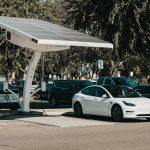
[…] will highlight systems optimized for both high output and efficiency, like some of the robust portable EV charger units now offering bi-directional […]