
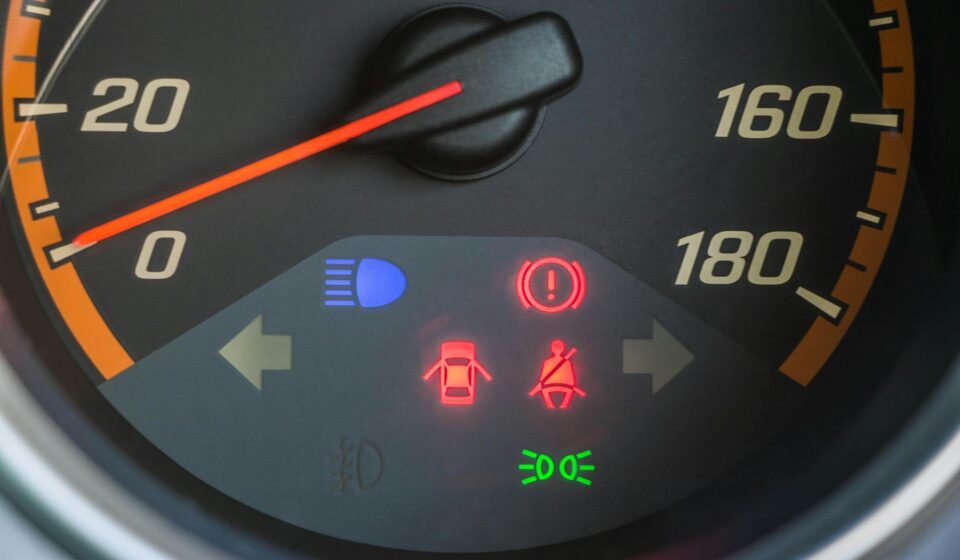

There are few things as unsettling to a driver as the sudden illumination of an unfamiliar symbol on their car’s dashboard. That unexpected glow of orange or, worse, red, can instantly turn a calm drive into a moment of anxiety. Knowing what to do when car warning light comes on is not just about troubleshooting; it’s about ensuring your safety, preventing costly damage, and maintaining the longevity of your vehicle. This comprehensive guide aims to demystify those enigmatic symbols and equip you with the knowledge and confidence to respond effectively, no matter where you are in the world.
Understanding Your Vehicle’s Silent Alarms: What Warning Lights Are & Why They Matter
Modern vehicles are complex marvels of engineering, packed with sensors and sophisticated systems designed to monitor everything from engine performance to tire pressure. Car warning lights are essentially your vehicle’s way of communicating with you, signaling that something requires your attention. They are visual indicators, often universally recognized symbols, that illuminate on your instrument cluster to alert you to a potential issue or to convey important information.
What are Car Warning Lights?
- Visual Communication: These lights serve as a direct communication channel between your car’s onboard diagnostic (OBD) system and you, the driver. They translate complex sensor data into easily digestible visual cues.
- Categorized by Urgency:
- Red Lights: Indicate a serious, immediate problem that requires prompt attention. Driving with a red warning light on can be dangerous and lead to severe damage. Examples include low oil pressure, high engine temperature, or a brake system fault.
- Amber/Yellow Lights: Suggest a less critical but still urgent issue that needs to be checked soon. While not always an immediate stop, it’s crucial not to ignore them. The “Check Engine” light is a prime example.
- Green/Blue Lights: Primarily informational, indicating that a system is active (e.g., high beams, turn signals, cruise control). These are not warning lights but confirmation lights.
- Evolution of Diagnostics: From simple oil pressure gauges to today’s intricate digital dashboards, car warning lights have evolved significantly. Early vehicles had minimal indicators, whereas contemporary cars employ dozens of specialized symbols, each linked to a specific sensor or system. This evolution is driven by increased vehicle complexity and the need for greater safety and efficiency.
Why Ignoring Them is Dangerous
Many drivers are tempted to ignore a warning light, hoping it will just “go away” or putting off a visit to the mechanic. This can be a costly and dangerous mistake. Ignoring what to do when car warning light comes on can lead to:
- Safety Risks: A malfunctioning brake system or an overheating engine can lead to a loss of control, an accident, or a complete breakdown in an unsafe location, endangering you and other road users.
- Cost Implications: A small, easily fixable issue, if neglected, can quickly escalate into a major, expensive repair. For instance, a persistent “Check Engine” light indicating a failing oxygen sensor might seem minor, but ignoring it can lead to catalytic converter damage, which is significantly more expensive to replace.
- Environmental Impact: Certain warning lights, like the “Check Engine” light, can indicate issues affecting your vehicle’s emissions system, leading to increased pollution and potentially failing emission tests.
- Long-Term Vehicle Health: Consistent neglect of warning signs can drastically reduce your car’s lifespan and resale value. Regular maintenance and prompt attention to alerts are key to keeping your vehicle running smoothly for years.
Immediate Steps: What to Do When Car Warning Light Comes On
When a warning light flashes on, your immediate reaction is crucial. Panic can lead to poor decisions, so understanding a calm, structured approach to what to do when car warning light comes on is vital. Your first actions can often determine the severity of the situation.
Pull Over Safely (If Red/Flashing)
If you see a red warning light illuminate or any light starts flashing, it’s generally a sign of a critical issue that requires immediate attention. Your priority should be safety.
- Prioritize Safety: Signal your intention to pull over. Look for a safe place to stop, such as a rest area, a wide shoulder, or a quiet side street. Avoid stopping in the middle of traffic or on a blind corner.
- Emergency Procedures: Once stopped, turn on your hazard lights to alert other drivers. If you must exit the vehicle, do so carefully, ensuring you’re away from moving traffic.
- Turn Off Engine (if severe): For critical issues like an oil pressure warning or an overheating engine, turning off the engine immediately can prevent further, potentially irreversible damage.
Assess the Specific Light
Once safely stopped, or if the light is amber and the situation isn’t immediately critical, the next step in knowing what to do when car warning light comes on is to identify the specific symbol.
- Dashboard Symbol Recognition: Familiarize yourself with common dashboard symbols before an emergency strikes. While many are intuitive (e.g., an oil can for oil pressure), some can be less obvious.
- Consult Owner’s Manual: Your vehicle’s owner’s manual is an invaluable resource. It contains a detailed explanation of every warning light specific to your make and model, including its meaning and recommended actions. Keep a physical copy in your glove box or have a digital version accessible on your phone.
- Differentiate Critical vs. Non-Critical: Red lights are always critical. Amber lights generally mean “proceed with caution and get it checked soon.” Green/blue lights are informational. This distinction guides your next steps.
Check Basic Fluid Levels & Connections
Sometimes, a warning light can be triggered by something simple. Performing a few quick checks can help you understand what to do when car warning light comes on.
- Oil Level: If the oil pressure light comes on, check your oil dipstick. Ensure the engine has cooled down for about 10-15 minutes before checking for an accurate reading. Low oil can be a quick fix by topping it up.
- Coolant Level: An overheating engine light might indicate low coolant. NEVER open the radiator cap when the engine is hot, as pressurized hot fluid can cause severe burns. Wait until the engine is completely cool, then check the coolant reservoir.
- Brake Fluid: The brake warning light might indicate low brake fluid. Check the reservoir under the hood. However, low brake fluid often points to worn brake pads or a leak, which requires professional inspection.
- Battery Terminals: If the battery light is on, check the battery terminals for corrosion or looseness. A loose connection can prevent proper charging.
- Gas Cap: A common culprit for the “Check Engine” light is a loose or faulty gas cap. Re-tighten it until it clicks, and drive for a short while to see if the light resets.
Deep Dive into Common Warning Lights and How to Address Them
To truly understand what to do when car warning light comes on, a deeper knowledge of the most common indicators is essential. Each light signals a distinct issue with varying levels of urgency.
Check Engine Light (CEL)
The “Check Engine” light, also known as the Malfunction Indicator Lamp (MIL), is perhaps the most common and often most anxiety-inducing warning light. It looks like an engine outline, sometimes with the word “CHECK.”
- Common Causes:
- Loose Gas Cap: The simplest and most frequent cause. A loose cap can allow fuel vapor to escape, triggering the emissions system.
- Oxygen Sensor Failure: This sensor measures unburnt oxygen in the exhaust. A faulty one can lead to poor fuel economy and increased emissions.
- Catalytic Converter Problems: Often a result of ignoring other engine issues, a failing catalytic converter impacts emissions and engine performance severely.
- Spark Plug/Coil Issues: Misfires can trigger the CEL, affecting engine power and efficiency.
- Mass Airflow Sensor (MAF) Failure: Measures the air entering the engine. A faulty MAF can cause a lean or rich fuel mixture.
- Initial Troubleshooting: Start with the gas cap. If that doesn’t work, consider visiting an auto parts store that offers free OBD-II scanning to read the diagnostic trouble code (DTC). For more advanced troubleshooting, understanding how to approach AI code vulnerability detection in car diagnostics could become a future standard, offering precise insights into hidden system flaws.
- When to Seek Professional Help: If the CEL is flashing, it indicates a severe engine misfire that could damage the catalytic converter, requiring immediate professional attention. If it’s solid, and you’ve checked the gas cap, schedule a mechanic’s visit soon.
Oil Pressure Warning Light
Resembling an oil can, this red light indicates dangerously low oil pressure.
- Gravity of the Issue: This is a critical warning. Engine oil lubricates moving parts, dissipates heat, and cleans. Without proper oil pressure, your engine can seize, leading to catastrophic and extremely expensive damage.
- Causes: Low oil level (due to a leak or consumption), faulty oil pressure sensor, or a failing oil pump.
- Immediate Action: Pull over safely and turn off the engine IMMEDIATELY. Check the oil level. If low, add oil. If the light persists or if the oil level is fine, do NOT drive the car. Have it towed to a mechanic.
Battery/Charging System Warning Light
Looks like a car battery symbol. It signifies a problem with your vehicle’s charging system.
- Causes: A failing alternator (which charges the battery while driving), a faulty battery, loose or corroded battery terminals, or a problem with the charging system’s wiring.
- Actions: Check battery terminals for corrosion or looseness. If they seem fine, limit electrical accessory use (radio, AC, lights) to conserve battery power. Try to drive directly to a mechanic or an auto parts store to have your battery and alternator tested. If the battery dies, you’ll be stranded.
Brake Warning Light
Can appear as an exclamation mark in a circle or the word “BRAKE.”
- Causes:
- Parking Brake Engaged: The simplest cause. Check if your parking brake is partially or fully on.
- Low Brake Fluid: Could indicate a leak in the brake system or severely worn brake pads.
- Worn Brake Pads: Some systems have sensors that trigger this light when pads are excessively worn.
- ABS Malfunction: If it’s the “ABS” light, it indicates an issue with the Anti-lock Braking System, though your regular brakes might still work.
- Crucial Safety Implications: Brake system issues compromise your ability to stop the vehicle, making this a red light that demands immediate attention.
- Actions: First, check the parking brake. If that’s not the issue, check brake fluid levels. If the light remains, proceed with extreme caution, and have the vehicle inspected by a professional immediately. If your brakes feel spongy or ineffective, do not drive.
Tire Pressure Monitoring System (TPMS) Light
Resembles a flat tire with an exclamation mark inside.
- Causes: Low tire pressure in one or more tires, a faulty TPMS sensor, or a significant change in ambient temperature (cold weather can reduce tire pressure).
- Actions: Check the pressure in all your tires using a reliable gauge. Inflate them to the manufacturer’s recommended pressure (found on a sticker inside your driver’s side door jamb or in the owner’s manual). If the light persists after inflation, you might have a slow leak or a faulty sensor. Addressing tire pressure helps with safety and fuel efficiency.
Coolant Temperature Warning Light
Looks like a thermometer floating in water, often red.
- Causes: Low coolant level, faulty thermostat, radiator fan malfunction, a leak in the cooling system, or a failing water pump.
- Overheating Risks: An overheating engine can warp engine components, blow head gaskets, and lead to total engine failure.
- Actions: Pull over safely and turn off the engine immediately. Do NOT open the radiator cap while the engine is hot. Allow the engine to cool down completely (at least 30 minutes to an hour). Once cool, check the coolant reservoir and add coolant if low. If the light comes back on or the coolant level is fine, do not drive and have the car towed to a mechanic.
Airbag Warning Light
Usually depicts a person with a deployed airbag.
- Safety System Compromise: This red light means there’s an issue with your Supplemental Restraint System (SRS), which includes airbags and seatbelt pretensioners. If this light is on, your airbags might not deploy in an accident.
- Causes: Faulty sensor, module failure, wiring issues, or even a disconnected component under a seat.
- Professional Diagnosis Required: Due to the critical safety implications, this issue requires professional diagnosis and repair. Do not attempt DIY repairs on airbag systems.
The Diagnostic Process: Advanced Steps When Car Warning Light Comes On
While some issues are straightforward, many times figuring out what to do when car warning light comes on requires a more systematic approach. This is where diagnostic tools and professional expertise come into play.
Using an OBD-II Scanner
For vehicles manufactured after 1996 (in most regions), an On-Board Diagnostics II (OBD-II) port allows access to the car’s computer system.
- What it Is and How it Works: An OBD-II scanner is a device that plugs into this port, allowing you to read Diagnostic Trouble Codes (DTCs) generated by your car’s computer. These codes point to specific system malfunctions. For more in-depth knowledge, you can consult resources like Wikipedia’s page on On-board diagnostics.
- Basic Code Reading for DIYers: Inexpensive code readers are available for purchase, and many auto parts stores offer free code reading services. Once you have a code (e.g., P0420), you can look up its meaning online to get a better idea of the underlying problem.
- Understanding Common Codes (P0xxx): Most codes start with ‘P’ for Powertrain. While a code gives you a direction, it’s often a starting point, not a definitive diagnosis. For example, a code indicating an “Evap system leak” doesn’t specify if it’s the gas cap, a hose, or a more complex component.
When to Consult a Professional Mechanic
While DIY checks are valuable, knowing when to call in the experts is a key part of what to do when car warning light comes on.
- Persistent Lights: If a warning light comes back on after you’ve attempted a simple fix, or if it never went off, it’s time for a mechanic.
- Red Lights: As a rule, red lights typically mean “stop driving” and “call a tow truck.” Don’t gamble with your safety or your engine.
- Unfamiliar Symptoms: If the warning light is accompanied by strange noises, smells, vibrations, or a noticeable change in driving performance, don’t delay.
- Complex Codes: While you can read basic codes, interpreting them and correctly diagnosing the root cause often requires specialized tools and expertise that only a certified technician possesses.
- Importance of Certified Technicians: A reputable mechanic has the experience, advanced diagnostic equipment, and training to accurately diagnose and repair issues. Don’t hesitate to seek multiple quotes if you’re unsure. You might find some Reddit marketing strategies useful for finding well-reviewed local mechanics.
Preventative Maintenance and Regular Checks
The best way to know what to do when car warning light comes on is to prevent them from coming on in the first place.
- Fluid Checks: Regularly check your oil, coolant, brake fluid, and power steering fluid. Ensure they are at the correct levels.
- Tire Pressure: Make it a habit to check your tire pressure monthly, and before long trips.
- Scheduled Servicing: Follow your vehicle manufacturer’s recommended service schedule. These services include essential checks and replacements that catch potential issues early.
- Importance of Being Proactive: Proactive maintenance not only prevents warning lights but also extends your vehicle’s lifespan, improves fuel efficiency, and enhances safety. There are even underrated apps review that can help you track maintenance schedules and remind you of essential checks.
Common Mistakes and FAQs about Car Warning Lights
Understanding what to do when car warning light comes on also involves knowing what not to do and getting answers to frequently asked questions that many drivers have.
Mistakes to Avoid
- Ignoring the Light Altogether: This is the most dangerous mistake. A small issue left unaddressed can lead to catastrophic failure.
- Delaying Repair: While some amber lights allow for a few days, procrastination can turn a minor fix into a major headache, both for your wallet and your safety.
- Attempting DIY Repairs Without Knowledge: Unless you are a trained mechanic with the right tools and knowledge, attempting complex repairs can cause more harm than good.
- Resetting the Light Without Addressing the Cause: Some basic OBD-II scanners can clear codes. Clearing a code without fixing the underlying problem is akin to turning off a smoke detector because it’s annoying; the fire is still there.
- Panic Driving: A sudden light can be alarming, but panicking and making erratic maneuvers on the road is dangerous. Always prioritize safety first.
Frequently Asked Questions
- Can I drive with [specific light] on?
- Red Lights: Almost always no. Pull over immediately.
- Amber Lights: Generally yes, but with caution and for a limited time. Get it checked as soon as possible.
- How much does a diagnostic cost?
- Many auto parts stores offer free basic code reading. For a full diagnostic by a mechanic, costs can vary significantly depending on the complexity of the issue and the labor rates in your region. Expect anywhere from $50-$150 USD, which usually goes towards the repair if you choose to proceed with that mechanic.
- Why did the warning light disappear?
- Sometimes, an intermittent fault (e.g., a loose wire that briefly disconnected) or a temporary condition (like a very cold morning causing low tire pressure that normalized) can make a light go out. However, don’t assume the problem is gone. It’s often best to still get it checked, as the issue might return or be a sign of an underlying problem that is yet to fully manifest.
- Are aftermarket parts safe for repairs?
- Quality aftermarket parts from reputable brands can be perfectly safe and often more affordable. However, beware of cheap, unbranded parts, especially for critical safety systems. Always consult your mechanic for recommendations. For further consumer advice, resources like Forbes Advisor’s Car Maintenance Guide offer valuable insights into vehicle care.
The Future of Vehicle Diagnostics and What to Do When Car Warning Light Comes On
The automotive world is constantly evolving, and the future of car warning lights and diagnostics promises even greater sophistication and predictive capabilities. Understanding these trends helps prepare you for what to do when car warning light comes on in tomorrow’s vehicles.
Advanced Telematics and Predictive Maintenance
- Connected Cars, Real-time Data: Modern vehicles are increasingly connected, allowing for real-time data transmission to manufacturers or preferred service centers. This means your car could alert you (and your mechanic) to a potential issue before a warning light even appears on your dash.
- AI-Powered Diagnostics: Artificial intelligence is set to revolutionize diagnostics. AI systems can analyze vast amounts of data from millions of vehicles to identify subtle patterns that indicate impending failures. This enables highly accurate predictive maintenance, suggesting repairs before a part breaks down completely.
- Over-the-Air (OTA) Updates: Just like your smartphone, cars will receive OTA updates to fix software glitches, improve performance, and even prevent certain warning lights from appearing by proactively addressing known issues.
Enhanced Driver-Vehicle Interfaces
- More Intuitive Dashboards: Future dashboards may use augmented reality or highly customizable digital displays to provide more context-specific information when a warning light appears, perhaps even suggesting immediate steps to take.
- Voice Commands and AI Assistants: Imagine asking your car, “What does this flashing red light mean?” and receiving a clear, actionable response, possibly even booking a service appointment for you.
Impact on Owners
These advancements will fundamentally change what to do when car warning light comes on:
- Less Guesswork, More Informed Decisions: Drivers will have clearer, more precise information about issues, empowering them to make better decisions about repairs.
- Potential for Remote Diagnostics and Repairs: In some cases, a mechanic might be able to remotely diagnose an issue or even push a software fix without you needing to visit a service center.
- Proactive, Not Reactive: The emphasis will shift from reacting to a warning light to proactively maintaining your vehicle based on predictive insights. For those interested in optimizing their car care routine and staying ahead of the curve, exploring resources like time-saving social media tips could even help in quickly researching common issues or finding local repair recommendations.
Conclusion
The sudden appearance of a car warning light can be a moment of stress, but it doesn’t have to be. By understanding the basics of what to do when car warning light comes on, you empower yourself to respond effectively and safely. From recognizing the urgency of red versus amber lights to consulting your owner’s manual and knowing when to seek professional help, each step contributes to your safety and the health of your vehicle.
Never ignore a warning light. Your car is a complex machine, and its dashboard indicators are designed to be your first line of defense against minor issues escalating into major problems. Be proactive with maintenance, educate yourself on common symbols, and always prioritize safety. With the right knowledge and a calm approach, you can navigate any dashboard alert with confidence, ensuring many more miles of safe and reliable driving.


[…] One of the most critical aspects of car ownership is understanding your vehicle’s warning signals. Many DIYers might overlook these initially, assuming they are minor. However, a dashboard warning light is your car’s way of communicating an issue that needs attention. It’s vital to address these promptly. For a comprehensive guide on what to do when your car alerts you, refer to our article: What To Do When Car Warning Light Comes On. […]
[…] Engine Light: While vague, the illumination of the Check Engine Light can often be related to transmission sensors or solenoids, especially in modern vehicles. Always […]